Global tourism is undergoing a quiet but powerful transformation. For decades, travel marketing revolved around iconic landmarks, crowded beaches, and bucket-list photo opportunities. Today, however, a growing number of travelers are seeking something different — experiences shaped less by sightseeing and more by atmosphere, climate comfort, and emotional connection. Two emerging trends are defining this shift: “coolcations” and “noctourism.”
These movements are not passing fads. They reflect deeper changes in consumer psychology, climate realities, and the way people want to experience the world. As extreme weather events intensify and overtourism strains traditional destinations, travelers are redefining what makes a trip worthwhile.
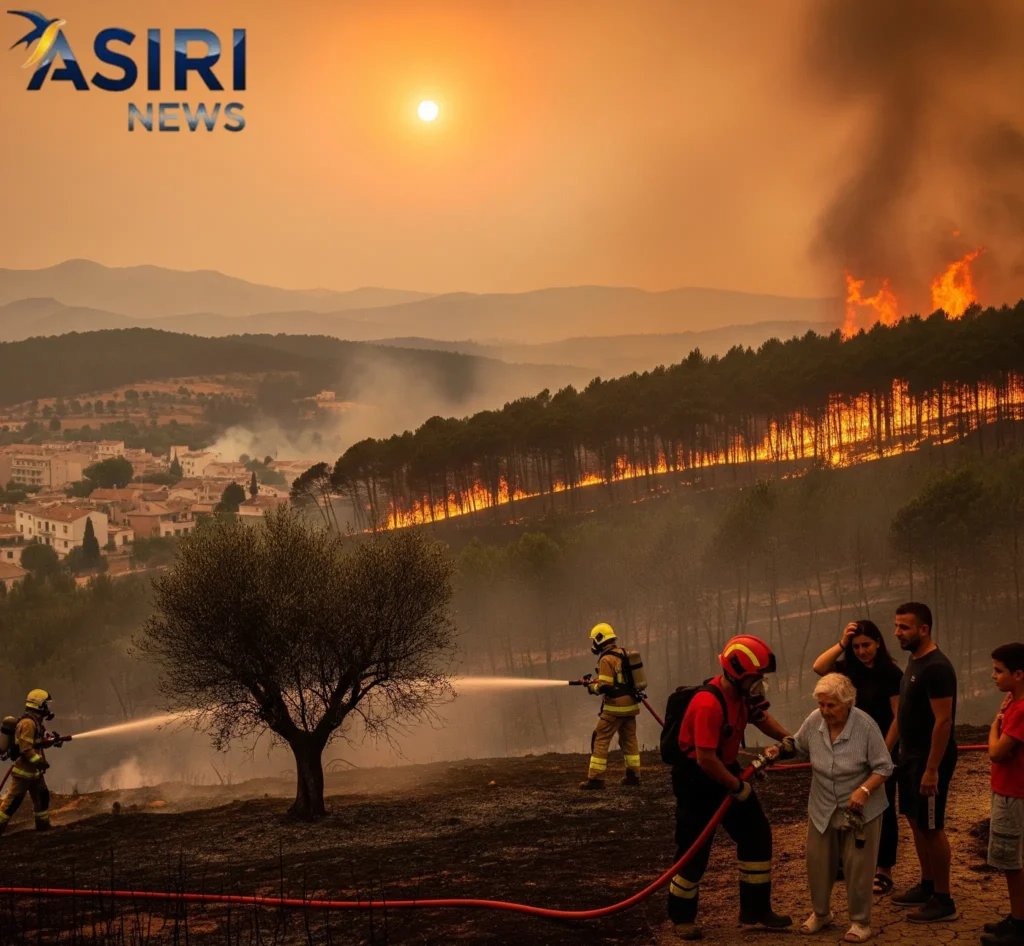
The rise of coolcations — travel to colder or milder destinations during peak summer months — is largely a response to escalating global temperatures. Across Southern Europe, parts of Asia, and the United States, heatwaves have grown more frequent and severe. For many travelers, the classic image of a sun-drenched Mediterranean escape now comes with record-breaking temperatures, wildfire risks, and overcrowded infrastructure.
In response, tourism patterns are shifting northward. Scandinavian destinations such as Norway’s Lofoten Islands have experienced increased interest from visitors looking for dramatic landscapes paired with manageable summer temperatures. Similarly, the Scottish Highlands are attracting travelers who want rugged scenery without oppressive heat. Iceland continues to position itself as a cool-weather sanctuary, offering glaciers, volcanic terrain, and extended daylight hours that appeal to adventure seekers.
This shift mirrors broader climate concerns that have been explored in global environmental reporting. As documented in our coverage of climate change, rising temperatures are not only reshaping ecosystems but also influencing economic sectors, including tourism. Travelers are making choices that prioritize physical comfort and long-term sustainability over postcard-perfect sunshine.
Industry analysts note that coolcations are also linked to well-being. Heat fatigue can significantly impact enjoyment, mobility, and safety during travel. By selecting destinations with moderate climates, travelers are able to spend more time outdoors, engage in physical activities, and explore without the health risks associated with extreme heat. This aligns with a broader lifestyle trend toward mindful travel and personal wellness.
At the same time, a different but complementary trend is taking shape: noctourism. Rather than escaping heat geographically, noctourism encourages travelers to shift their experiences into the evening and nighttime hours. It goes far beyond nightlife entertainment. Instead, it centers on cultural immersion, astronomy, wildlife observation, and atmospheric discovery after dark.
One of the strongest drivers of noctourism is the global light pollution crisis. As urban centers expand, true dark skies have become rare. Destinations such as Chile’s Atacama Desert and Namibia’s NamibRand Nature Reserve are increasingly popular for astrotourism, offering some of the clearest views of the Milky Way available anywhere on Earth. Travelers are drawn by the rarity of witnessing untouched night skies — an experience many can no longer access at home.
Wildlife tourism is also evolving into the night. In places like South Africa’s Kruger National Park, guided night safaris allow visitors to observe nocturnal animal behavior rarely seen during daylight hours. The atmosphere is different — quieter, more suspenseful, and often more intimate. Bioluminescent waters in parts of Southeast Asia and the Caribbean have similarly become major attractions, where glowing plankton transform coastlines into surreal nighttime landscapes.
These nighttime experiences align with a broader consumer shift toward immersive storytelling in travel. As discussed in our analysis of evolving lifestyle and society trends within travel and lifestyle, modern tourists are increasingly motivated by emotional resonance rather than checklist itineraries. A stargazing expedition or a guided moonlit hike often leaves a deeper imprint than standing in line for a daytime monument photo.
Economic data also supports the idea that these trends are reshaping the tourism sector. Hospitality operators in northern Europe report longer seasonal demand, while regions traditionally considered “off-season” are benefiting from travelers intentionally avoiding peak heat months. Travel insurers and risk analysts have begun factoring climate variability more prominently into destination assessments — a topic connected to broader discussions within global markets and economic forecasting.
Beyond economics, there is a cultural dimension to this evolution. Travelers today are often motivated by the search for atmosphere — what many describe as “how a place feels” rather than simply how it looks. Cool air drifting across a fjord, the silence of a remote desert under stars, or the glow of bioluminescent water can create memory anchors that daytime sightseeing cannot replicate.
The psychology behind both coolcations and noctourism is rooted in comfort and curiosity. In an era defined by information overload and digital saturation, travelers are gravitating toward environments that provide sensory contrast. Cooler climates offer relief. Dark skies offer wonder. Both trends represent a desire to disconnect from stress and reconnect with nature.
Importantly, these movements do not signal the end of traditional tourism. Iconic destinations will continue to draw millions of visitors. However, the way people structure their trips is changing. Early-morning excursions, evening cultural tours, high-latitude summer travel, and climate-conscious planning are becoming normalized rather than niche.
Tourism boards and travel companies are already adapting. Marketing campaigns increasingly emphasize atmosphere, sustainability, and off-peak exploration. Infrastructure investments in northern regions are expanding. Protected dark-sky reserves are gaining recognition as official tourism assets rather than environmental footnotes.
Ultimately, coolcations and noctourism reflect a broader recalibration of values. Travelers are no longer chasing only landmarks; they are chasing sensations. They want temperature that feels comfortable, skies that feel expansive, and environments that feel authentic. The shift signals a tourism industry that is adapting not just to climate realities, but to changing expectations about what it means to truly experience a place.
As global mobility continues to evolve, one thing is becoming clear: the next frontier of travel may not be about going farther — it may be about going differently. Cooler air, darker skies, and more intentional timing are redefining how the world is explored.