Ukrainian President Volodymyr Zelensky has firmly rejected proposals for a 40-kilometer buffer zone between Ukrainian and Russian forces, calling the idea disconnected from the realities of modern warfare. The plan, reportedly discussed among some European leaders as a potential de-escalation measure, was dismissed by Kyiv as impractical and strategically flawed.
Zelensky argued that traditional concepts of territorial separation fail to account for the dominance of drone warfare and long-range precision systems that now define the battlefield. According to the Ukrainian president, simply creating physical distance between forces would not prevent strikes, surveillance operations, or aerial attacks that routinely cross such boundaries.
Drones Redefine the Front Lines
Over the past two years, unmanned aerial systems have transformed the conflict. Both sides have relied heavily on reconnaissance drones, loitering munitions, and long-range strike capabilities to target infrastructure, logistics hubs, and military positions well beyond immediate front lines.
Ukrainian officials maintain that any meaningful security guarantee must address aerial and missile threats, not merely ground troop positioning. Zelensky suggested that proposals centered on fixed buffer zones underestimate how technology has reshaped combat dynamics.
The debate over ceasefire mechanisms comes amid continued diplomatic maneuvering across Europe, similar to tensions outlined in recent diplomatic clashes and military developments.
European Mediation Efforts Face Resistance
European governments have explored multiple pathways to reduce hostilities, including temporary ceasefires, demilitarized corridors, and confidence-building measures. However, Kyiv remains cautious of arrangements that could freeze current territorial lines without firm security guarantees.
Zelensky has consistently emphasized that any negotiated framework must respect Ukraine’s sovereignty and territorial integrity. Officials in Kyiv fear that a buffer zone without enforcement mechanisms could expose Ukrainian territory to continued aerial and missile strikes while limiting defensive mobility.
Broader Regional Implications
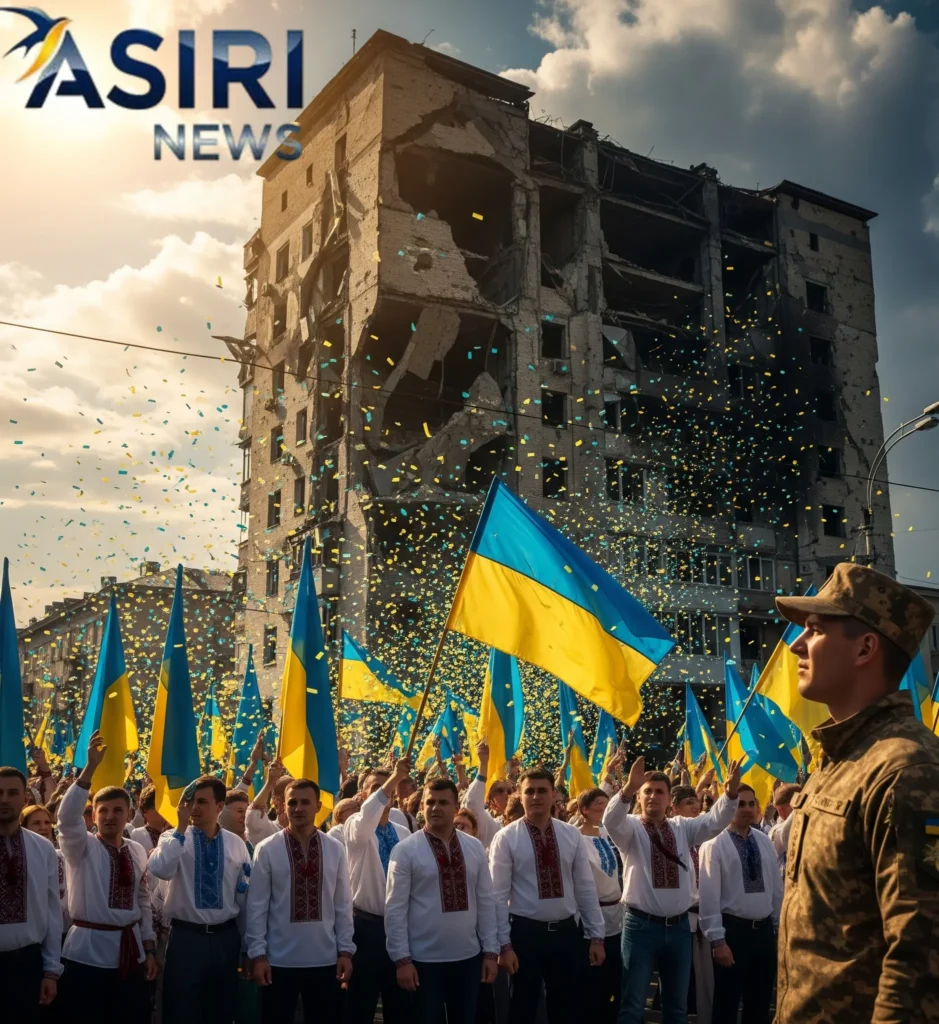
The rejection of the buffer proposal underscores the broader challenge facing European diplomacy: reconciling battlefield realities with political compromise. As seen in Ukraine’s recent independence day address amid rising tensions, Kyiv remains focused on sustaining military readiness while navigating international pressure for negotiations.
Analysts note that modern conflicts increasingly blur the meaning of “front line,” making conventional demilitarized zones harder to enforce. With both sides capable of striking deep behind defensive lines, buffer proposals risk becoming symbolic rather than operational solutions.
Peace Talks at a Crossroads
While European leaders continue to seek diplomatic openings, Zelensky’s rejection signals that Kyiv will prioritize battlefield realities over political optics. For Ukraine, the central issue remains not distance, but deterrence — ensuring that any pause in fighting does not translate into vulnerability.
As negotiations evolve, the question facing mediators is whether traditional conflict-management tools can adapt to a war increasingly shaped by technology, speed, and asymmetric tactics.
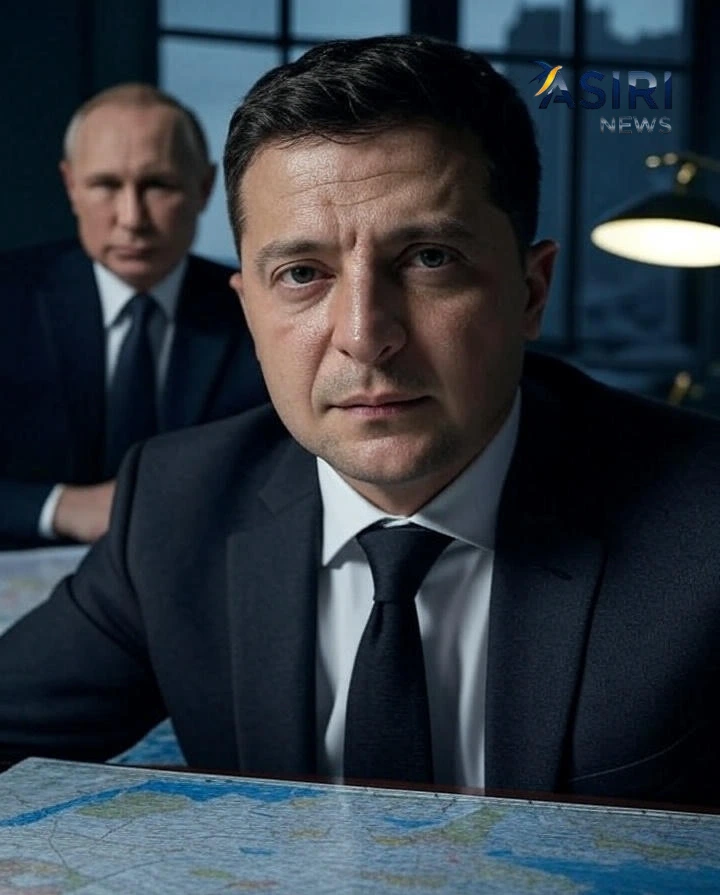
Details of the buffer-zone concept emerged in a report by Politico, which cited five European diplomats describing a proposed demilitarized strip of land monitored by as many as 60,000 international peacekeepers. Zelensky pushed back hard, arguing that a “dead zone” already exists in practice because of relentless drone activity along the front.
He pointed to how the battlefield has changed, saying heavy weapons are often positioned more than 10 kilometers apart because drones can strike anything that lingers. In Zelensky’s view, a formally drawn buffer would not prevent damage or deaths if long-range drones and missiles continue to dominate the conflict. He added that if Moscow genuinely wanted additional distance from Ukrainian forces, Russia could achieve it by withdrawing from territories Ukraine considers temporarily occupied.
The debate over separation mechanisms is unfolding alongside a broader surge of diplomatic maneuvering, similar to the shifting alliances and pressure points covered in our roundup of diplomatic clashes and military maneuvers.
U.S. Diplomatic Push Meets Growing Skepticism
Zelensky’s remarks also come amid renewed U.S. efforts to broker a path toward negotiations. Recent talks in Washington brought together Zelensky, President Donald Trump, and European leaders — a meeting that briefly raised expectations of a future summit involving Russian President Vladimir Putin.
Those expectations have since cooled. German Chancellor Friedrich Merz publicly cast doubt on the likelihood of a Putin meeting, arguing that the Kremlin has shown little interest in ending the war. The assessment reflects a growing view among European officials that Russia is comfortable prolonging the conflict, particularly while battlefield momentum and pressure tactics remain effective tools.
Massive Strike on Kyiv Deepens the Impasse
Any remaining optimism was further shaken by a major Russian aerial assault on Kyiv that killed 23 people, including four children, in one of the largest air attacks of the war. According to Ukrainian officials, the strike involved hundreds of drones and missiles, underscoring how far the conflict has moved beyond conventional front-line warfare.
The scale of the attack drew condemnation across Europe. EU foreign policy chief Kaja Kallas described it as a deliberate escalation, while France’s President Emmanuel Macron accused Russia of resorting to terror tactics — language that highlights the widening moral and political divide shaping European policy.
The strike also reinforced Zelensky’s core argument: when drones and missiles can reach deep into cities, a buffer line on a map does not equal safety on the ground. That same theme — the collision between diplomacy and modern warfare — has repeatedly surfaced in Ukraine’s latest independence day messaging amid mounting tensions.
Peace Ideas, Stalled by Reality
In meetings with U.S. representatives, including Trump’s special envoy Steve Witkoff, Zelensky’s chief of staff Andriy Yermak has expressed support for American peace initiatives while arguing that each proposed opening has been slowed or blocked by Moscow. Kyiv’s position remains that serious negotiations require tangible movement — not symbolic frameworks that leave Ukraine exposed.
For now, the central disputes remain unresolved: Ukraine’s territorial integrity, its demand for NATO-like security guarantees, and Russia’s stated security interests. Zelensky’s rejection of the buffer-zone proposal reflects a broader message from Kyiv — that any settlement must match the realities of a war shaped by drones, air power, and the constant threat of escalation.