A week of diplomatic friction and rising military tension has underscored how fragile the global balance remains. From a transatlantic political dispute to renewed violence in the Middle East, from looming climate-driven disaster in Southeast Asia to a cautious humanitarian gesture between Moscow and Kyiv, international affairs appear increasingly interconnected — and increasingly volatile.
The most visible diplomatic flashpoint unfolded between France and the United States after sharp public remarks by U.S. President Donald Trump criticizing French President Emmanuel Macron’s handling of rising anti-Semitism. The comments triggered a formal response from Paris, with France summoning the U.S. ambassador in a move that signaled both displeasure and concern. Diplomatic summons are not routine gestures among long-standing allies, and the incident reflects deeper strains that have surfaced repeatedly in recent years.
While transatlantic cooperation remains foundational on issues such as NATO security and economic coordination, political rhetoric has increasingly complicated relations. Public criticism between leaders, particularly on sensitive domestic matters, risks amplifying nationalist sentiment and eroding trust. The episode highlights the broader pressures facing Western alliances — a theme explored more widely in our coverage of Europe and global & regional government.
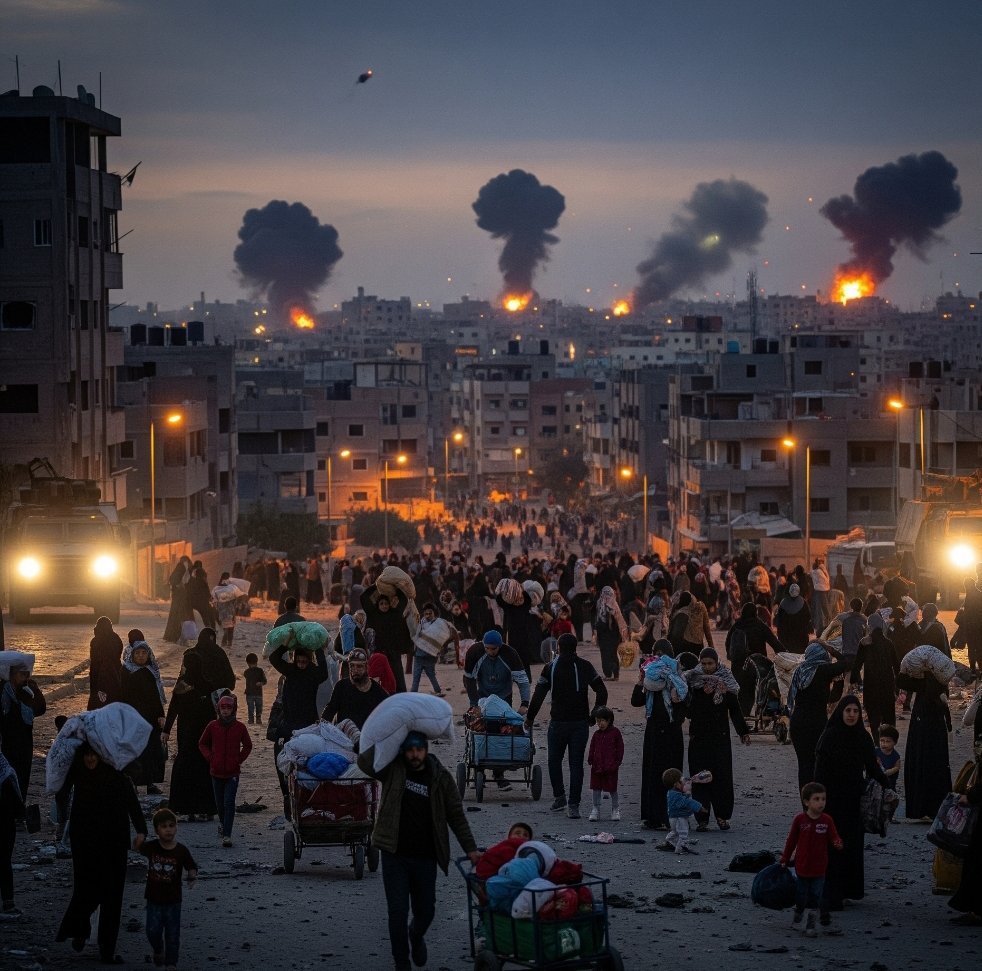
As diplomatic tensions simmered in Europe, the Middle East entered a more dangerous phase. Israeli forces launched a major bombardment targeting Yemen’s capital, Sanaa, reportedly killing six people. Israeli officials described the strike as retaliation for escalating attacks by the Houthi militia, which has pledged to intensify maritime assaults on vessels perceived to be linked to Israel.
The exchange heightens fears of a broader regional confrontation. The Red Sea corridor remains strategically vital for global trade, and any expansion of maritime attacks risks disrupting shipping lanes and increasing insurance and transport costs worldwide. The situation adds another layer to the already complex Middle Eastern security landscape, where multiple actors — state and non-state — operate within overlapping conflicts. For ongoing updates on regional developments, see our reporting in Middle East affairs.
The Yemen escalation is particularly concerning because it intersects with wider geopolitical rivalries. Regional alliances, proxy dynamics, and maritime security concerns mean that localized strikes can quickly draw in additional actors. Analysts warn that even limited retaliatory cycles carry the risk of miscalculation, especially in contested airspace and heavily trafficked sea routes.
Further east, attention has shifted to Vietnam as authorities prepare for the arrival of Typhoon Kajiki. Officials have initiated the evacuation of approximately half a million residents from vulnerable coastal areas. The storm, forecast to bring powerful winds and torrential rainfall, is the fifth major system to strike the East Sea this year.
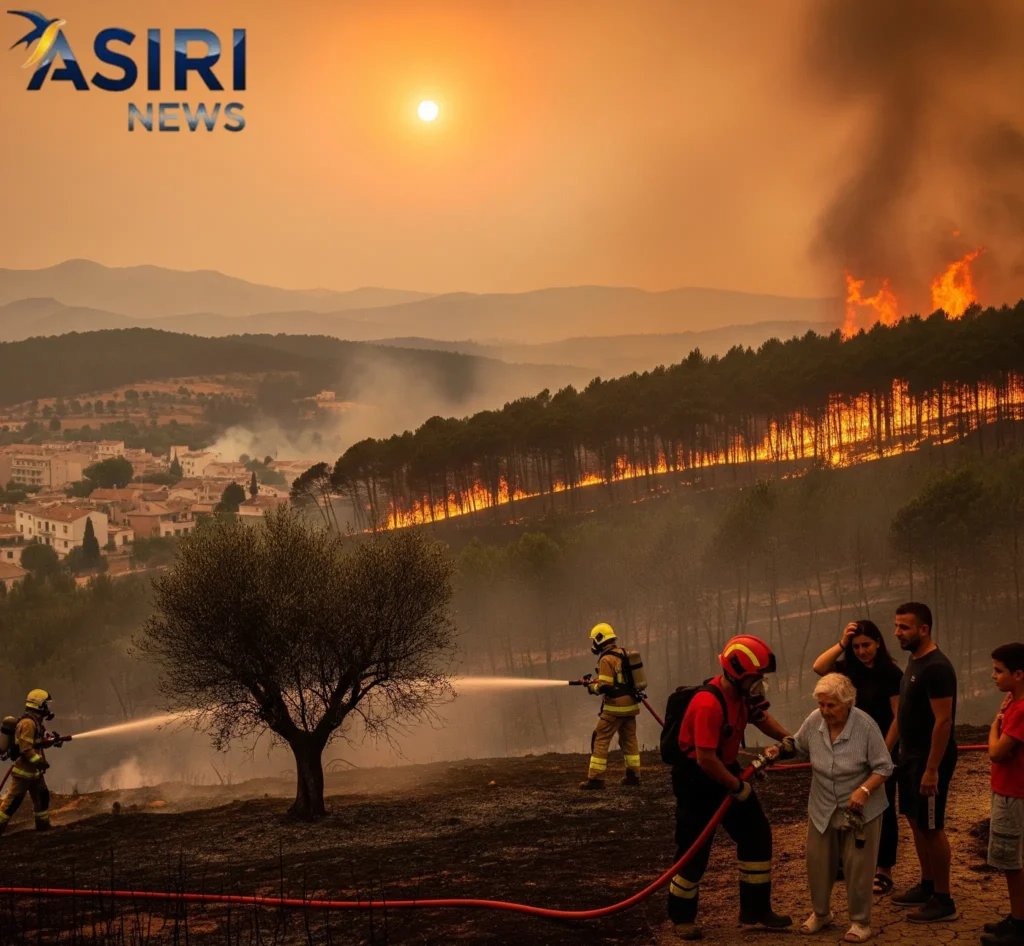
Vietnam’s proactive evacuation underscores both improved disaster planning and the intensifying frequency of extreme weather events across Southeast Asia. Warmer ocean temperatures are contributing to stronger and more unpredictable storms, placing added strain on infrastructure and emergency systems. Climate resilience has become a central policy challenge for governments throughout the region — an issue explored in our broader coverage of climate change and Asia.
While evacuations aim to minimize casualties, economic disruption is difficult to avoid. Fishing industries, port operations, and coastal tourism sectors often suffer heavy losses during repeated storm seasons. The humanitarian dimension extends beyond immediate safety, affecting long-term recovery and development stability.
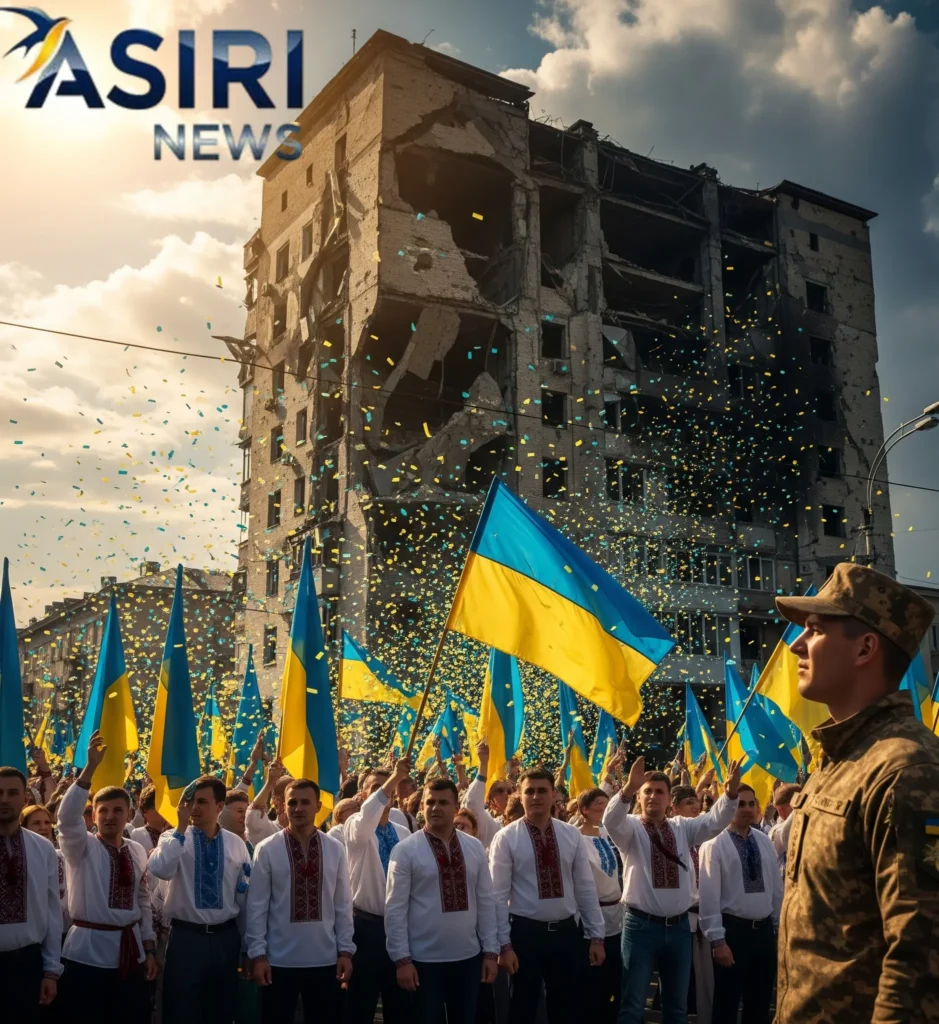
Amid the turbulence, one development offered a rare moment of cautious optimism. Russia and Ukraine announced a prisoner exchange involving 146 detainees from each side. Facilitated through third-party negotiation channels, the swap represents one of the more significant humanitarian gestures since the war intensified.
Prisoner exchanges do not signal an end to hostilities, but they do indicate that communication channels remain open. Even limited cooperation can reduce tensions incrementally and build groundwork for future dialogue. The broader conflict, however, continues to evolve amid ongoing military operations in eastern Ukraine. For context on the war’s diplomatic dimensions, readers can follow updates within our European coverage and politics section.
Together, these developments reflect a global environment where diplomatic disputes, armed conflicts, and climate emergencies overlap rather than occur in isolation. Political rhetoric in one capital can strain alliances across continents. A targeted strike in one region can threaten global trade corridors. A storm in Southeast Asia can disrupt supply chains that extend far beyond its coastline.
The week’s events demonstrate how interconnected modern crises have become. Governments must manage immediate threats while navigating broader geopolitical consequences. In this environment, diplomacy, humanitarian coordination, and transparent communication are not optional tools — they are essential stabilizers.
As tensions persist across multiple fronts, the challenge for world leaders is maintaining equilibrium in a system increasingly defined by unpredictability. Whether through careful diplomacy, restrained military posture, or coordinated disaster response, the margin for error remains thin.