Global Markets Slump on Oil Surge: Middle East Conflict Reignites Inflation Fears as Crude Tops $80
Scene Description
The opening bell on the New York Stock Exchange rings, but the usual energetic roar is replaced by a tense, heavy murmur. Above the sprawling sea of trading desks, massive digital displays bleed a harsh, glaring red. The Dow Jones Industrial Average ticker plummets in real-time, casting an eerie crimson glow over the faces of the traders below. Discarded coffee cups litter the floor, and the ambient noise is a chaotic symphony of ringing desk phones and sharp, frantic shouts.
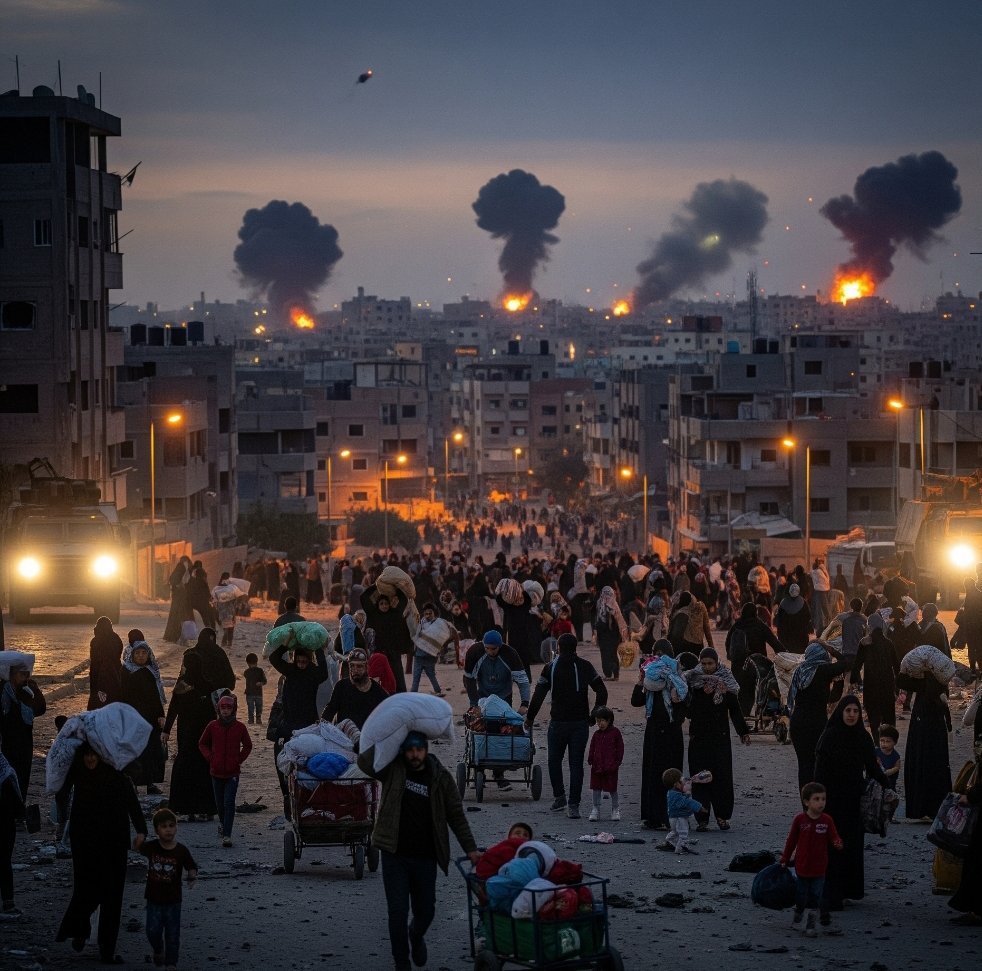
The fragile optimism that defined global investments just weeks ago has evaporated. U.S. and global stock markets are experiencing a severe, synchronized slump as crude oil prices violently breached the $80-per-barrel mark, with Brent crude recently touching highs above $90. This aggressive price spike, fundamentally driven by the escalating military conflict between the United States, Israel, and Iran, has sent shockwaves through the financial system, resurrecting deep-seated fears of sticky inflation and a stalled global economic recovery.
Wall Street’s major indexes closed sharply lower in consecutive sessions. The benchmark S&P 500 gave up critical support levels, while the tech-heavy Nasdaq Composite suffered as the Magnificent Seven rally shows further cracks amid the risk-off environment. Investors are scrambling for safety, dumping growth equities in favor of traditional safe havens and energy conglomerates.
The Crude Reality: Supply Shocks and Risk Premiums
Action
A commodity trader at a major Chicago desk frantically hammers at his backlit keyboard. He drags multiple chart windows across his ultra-wide monitors, watching the West Texas Intermediate (WTI) futures spike vertically. He aggressively clicks to execute massive “buy” orders on crude call options, hedging against a potential march toward $100 a barrel, before immediately pivoting to short retail and transportation ETFs.
Energy markets are pricing in a substantial geopolitical risk premium. The rapid advance underscores growing concern among traders about immediate disruptions to global supply. With Iranian strikes targeting regional energy infrastructure, including LNG facilities in Qatar and refineries in Saudi Arabia, the market is no longer dealing with theoretical threats, but actual, physical supply chain degradation.
The situation has drastically shifted from the environment we saw when investors eyed energy, financials, and discretionary stocks as Fed rate cuts loomed. Now, energy is being bought not as a cyclical play, but as a pure defensive necessity.
Character Description: Michael O’Rourke, Chief Market Strategist
Michael is a man in his late fifties, his silver hair slightly disheveled. He wears a tailored charcoal suit with a loosened navy silk tie. His face is pale under the harsh studio lighting of a financial news network, and deep, dark bags under his eyes betray multiple sleepless nights. He leans heavily forward across the glass anchor desk, staring intensely directly into the camera lens.
Character Voice Description
His voice is a low, raspy baritone, laced with a cynical exhaustion. He speaks in quick, clipped sentences, the cadence of a man who processes catastrophic data faster than he can comfortably articulate it. He emphasizes key economic terms with sharp nods of his head.
Dialogue
“We’re not just looking at a transient market dip here. This is a structural reset. Oil pushing past eighty, touching ninety? It obliterates the entire soft-landing narrative the Fed has been peddling. The central bank’s hands are tied. They can’t cut rates into an energy-driven inflationary spike, and retail investors are about to get caught squarely in the stagflation crossfire.”
The Strait of Hormuz: The World’s Most Dangerous Chokepoint
The epicenter of market anxiety remains the Strait of Hormuz. Roughly 20% of the world’s seaborne oil supply and a massive portion of global liquefied natural gas (LNG) pass through this narrow maritime corridor. The ongoing military actions have left numerous massive tankers stranded or heavily delayed, unable or unwilling to risk the transit without extensive naval escorts.
While a full, formal blockade has not been established, the practical effect is identical: shipping premiums have skyrocketed, insurers are pulling coverage, and major logistics firms, such as Maersk, are suspending Gulf cargo bookings entirely. This logistical nightmare adds hard costs to every barrel of oil that manages to make it out of the region, costs that are immediately passed on to the consumer.
Inflation Resurrected: The Federal Reserve’s Nightmare
For months, the market traded on the assumption of imminent monetary easing. It was a narrative championed heavily when Powell hinted at a rate cut, sending markets soaring. That narrative is now effectively dead. Global markets are deeply divided as central banks face an impossible dilemma: lower rates to protect slowing economic growth, or hold rates high to fight the new wave of energy-induced inflation.
The effects are already hitting Main Street. The U.S. consumer, already burdened by high credit card debt and housing costs, is now facing surging prices at the gasoline pump. Average prices have jumped significantly nationwide in just a matter of days. Furthermore, the rising cost of diesel fuel acts as a hidden tax on the entire economy, increasing the transportation costs of every physical good sold in America—from groceries to electronics.
This presents a severe challenge that global central bankers have sounded the alarm over. If this conflict drags on, the combination of stagnant growth and high inflation—stagflation—could become the dominant economic reality for the remainder of 2026.
Investor Sentiment Tracker
With oil surging past $80/bbl, how are you adjusting your portfolio strategy this quarter?Moving to Cash / DefensiveBuying Energy StocksHolding Current Positions
Your response has been added to the EkeNews live market data pool.