U.S. Submarine Sinks Iranian Warship Near Sri Lanka as Iran-Israel Conflict Spreads Beyond the Gulf
A major new flashpoint has emerged in the widening U.S.-Israel confrontation with Iran after U.S. officials confirmed that an American submarine torpedoed and sank an Iranian naval vessel in the Indian Ocean, near Sri Lanka. The incident—reported to have killed dozens of sailors and left others missing—marks one of the most dramatic expansions of the conflict’s geography so far, raising fears of further escalation across sea lanes critical to global trade and energy flows.
The sinking comes as strikes and counterstrikes continue across the Middle East, with Iran launching missiles and drones at targets around the region and Israel intensifying attacks on sites inside Iran, including in and around Tehran.
What happened: Iranian warship “IRIS Dena” sunk off Sri Lanka
Multiple major outlets reported on March 4, 2026 that the Iranian warship IRIS Dena sank off Sri Lanka’s southern coast after a torpedo attack attributed to a U.S. Navy submarine. Sri Lankan authorities launched a search-and-rescue effort after receiving a distress call, recovering bodies and rescuing survivors while other crew members remained unaccounted for as of reporting time.
Reuters reported that U.S. Defense Secretary Pete Hegseth confirmed the submarine strike and that the ship went down in international waters in the Indian Ocean, with reported fatalities and missing personnel still being tallied by responders. Associated Press separately reported Sri Lankan recovery operations and a death toll that continued to rise as crews searched the area.
The event is significant not only for its human toll, but also because it moves the conflict’s kinetic actions well beyond the Gulf—into the broader Indian Ocean region—where shipping routes connect the Middle East to Asia and Europe.
For related regional developments and the broader context of this war’s rapid expansion, see our coverage: A Week of Diplomatic Clashes and Military Maneuvers.
How this fits into the wider war
Israel’s strikes inside Iran intensify
In recent days, Israeli strikes inside Iran have increased in scope, with satellite imagery and reporting describing heavy damage to Iranian government and security-related buildings in Tehran. The Washington Post published analysis of satellite imagery showing significant damage to key sites in the Iranian capital.
Israel has also publicly claimed a very large volume of munitions dropped in its campaign against Iranian targets. These figures are claims and may not be independently verified in full in real time, but they reflect the scale Israel says it is pursuing.
Iran’s retaliation: missiles and drones across the region
Iran has responded with missile and drone attacks directed at multiple regional targets, fueling concerns that the conflict could deepen into a broader multi-country confrontation. Recent reporting has described strikes impacting Gulf states and key infrastructure, further elevating political and economic risk.
If you’re tracking how the conflict is affecting the UAE and air travel disruption, read: One Killed, 11 Injured as Iranian Strikes Disrupt Dubai and Abu Dhabi Airports .
Oil markets and global security pressure
Financial markets have shown a classic “risk-off” reaction in recent sessions as the conflict intensifies—analysts cited by Reuters described softness in equities, strength in safe-havens, and a spike in oil prices driven by fears of supply disruption and shipping risks linked to Middle East waterways.
While the warship sinking occurred near Sri Lanka, the broader conflict remains tightly connected to the Gulf’s strategic chokepoints and regional infrastructure. That is why investors and policymakers are watching both battlefield developments and maritime security signals closely.
What we know vs. what is still unclear
- Confirmed by multiple major outlets: The Iranian warship IRIS Dena sank off Sri Lanka, and U.S. officials publicly attributed the sinking to a torpedo fired by an American submarine.
- Ongoing: Exact casualty and missing-person totals have varied across early reports as recovery efforts continue.
- Claims under attribution: Statements about the total number of bombs/munitions dropped in Iran are being reported as claims from involved parties and may not be fully verifiable immediately.
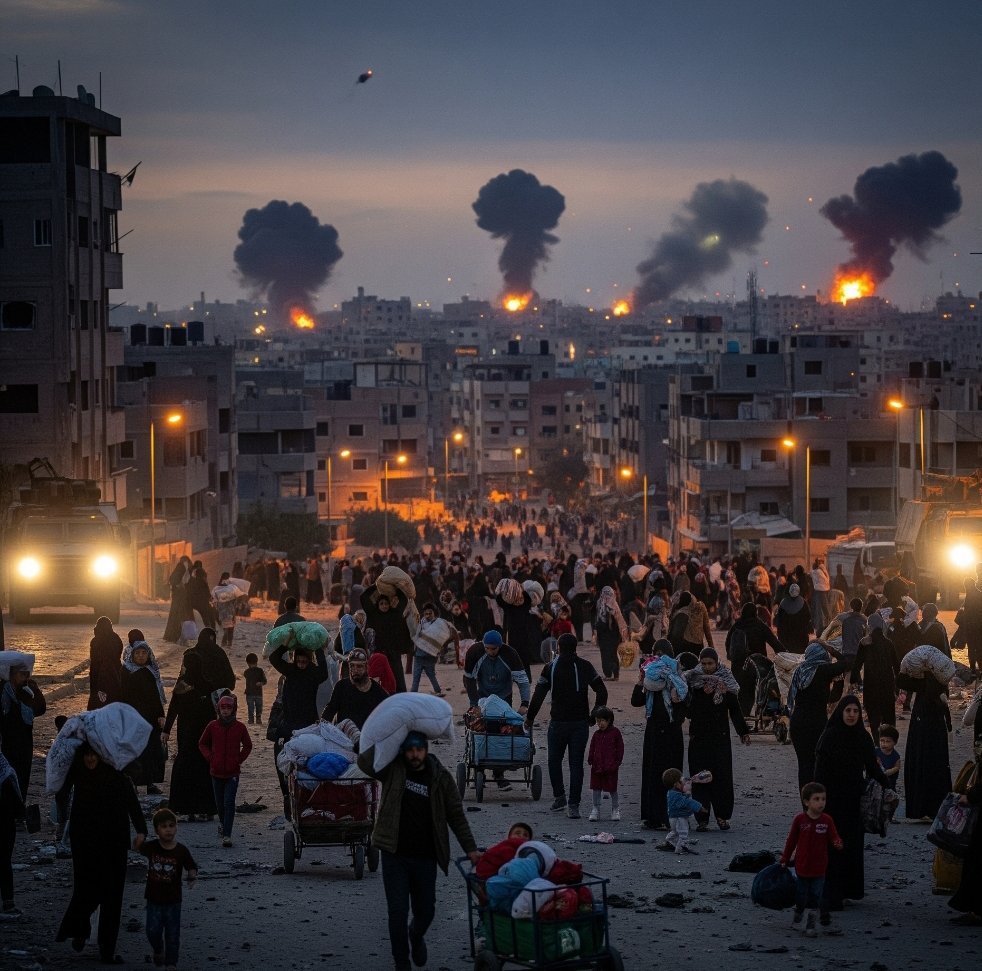
The humanitarian impact of strikes inside Iran is also drawing attention, with reporting describing damage affecting civilian areas and facilities. Separately, the conflict’s human cost and devastation elsewhere in the region remains severe—see: The Unraveling of Gaza City: A Chronicle of Devastation and Despair .
What happens next
With the conflict now visibly stretching beyond the Middle East, the next signals to watch include: whether Iran announces direct retaliation tied to the sinking; whether maritime incidents increase across major shipping corridors; and whether international diplomacy can slow the pace of escalation. The most immediate reality, however, is that the risk of miscalculation is rising—especially as military actions expand into new theaters.
Have your say: Do you think this sinking marks a turning point toward a wider regional war—or a moment that forces diplomacy back to the table?
Sources (for verification)
- Reuters — reporting on the U.S. confirmation of the submarine strike and the sinking of IRIS Dena (March 4, 2026). Read
- Associated Press — Sri Lanka recovery efforts and reported death toll (March 4, 2026). Read
- The Washington Post — satellite imagery analysis of damage to Iranian government/security sites in Tehran (March 3, 2026). Read
- Reuters — market reaction and “risk-off” moves linked to the conflict (March 3, 2026). Read