U.S. Embassy Cancels Visa Appointments in Abuja Amid Fears of Protests Linked to Iran Conflict
The United States Embassy in Abuja has cancelled all visa appointments scheduled for March 4, 2026, citing growing security concerns over potential protests in Nigeria’s Federal Capital Territory (FCT). The decision comes amid rising tensions around the world following the escalating conflict involving the United States, Israel, and Iran.
In an official security notice issued by the embassy, officials warned that demonstrations could occur in Abuja due to the ongoing Middle East crisis. As a precautionary measure, all visa interviews scheduled for the day were suspended while authorities assess the evolving security situation. :contentReference[oaicite:0]{index=0}
The embassy also advised American citizens living in Abuja to remain indoors and avoid large public gatherings, warning that protests linked to international conflicts have previously escalated into clashes between demonstrators and Nigerian security forces.
Embassy Issues Security Warning to U.S. Citizens
In its security alert, the U.S. Embassy warned that there is a “high potential for protests” in Abuja linked to the current geopolitical crisis. Officials urged American citizens to remain vigilant and avoid protest areas or large crowds that could pose safety risks. :contentReference[oaicite:1]{index=1}
The advisory strongly recommended that Americans living or working in the Federal Capital Territory remain in their residences during the period of potential demonstrations. It also encouraged them to monitor local news and follow security updates issued by the embassy or Nigerian authorities.
Officials emphasized that similar demonstrations in the past have sometimes resulted in violent confrontations between protesters and security personnel, which is why the embassy decided to suspend visa operations temporarily.
Visa Applicants Asked to Reschedule
Applicants who had visa interviews scheduled for the affected date will be contacted with instructions on how to reschedule their appointments. The embassy clarified that the suspension is temporary and only applies to interviews scheduled for the day of the security alert.
Despite the cancellation of visa appointments, the embassy stated that consular operations remain open and that further updates will be provided through official communication channels. :contentReference[oaicite:2]{index=2}
For thousands of Nigerians seeking U.S. visas for education, work, or travel, the suspension has created uncertainty and delays. Abuja hosts one of the main U.S. visa processing centers in Nigeria, handling a significant portion of immigration and non-immigration visa applications each year.
Why Protests Are Expected in Nigeria
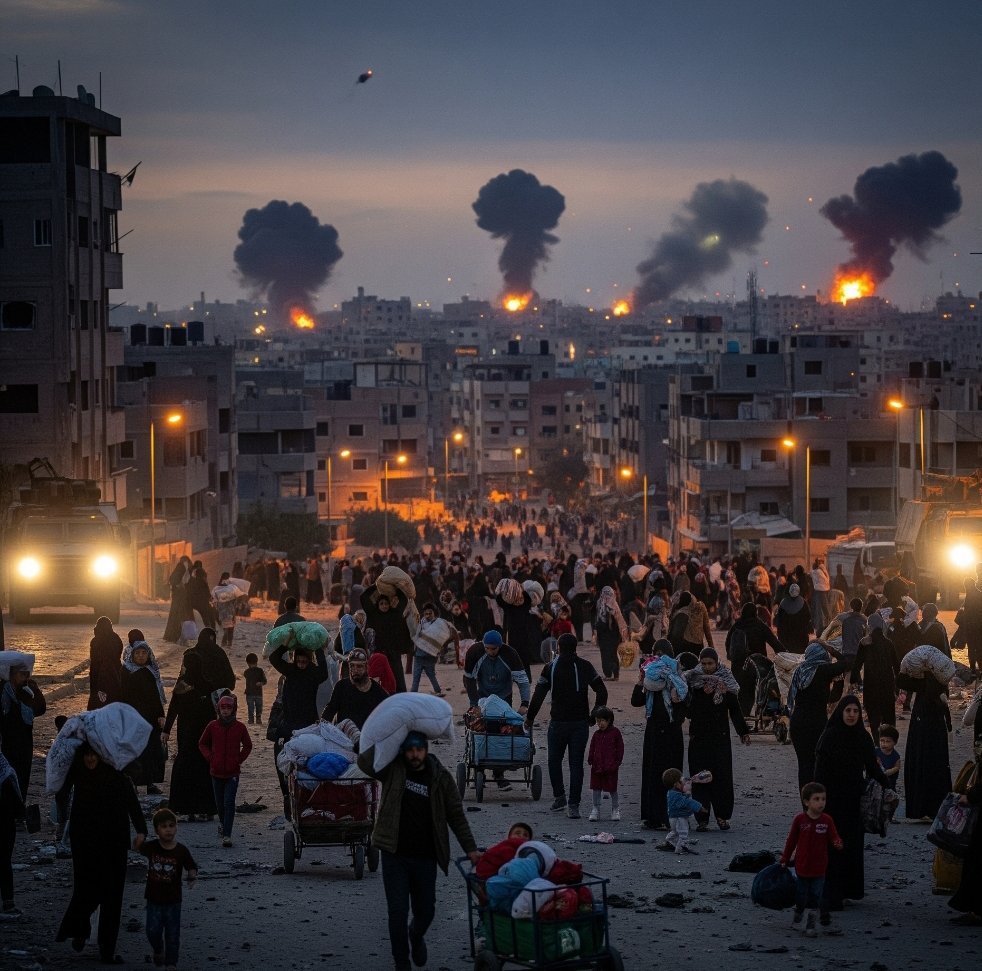
The expected demonstrations in Nigeria are linked to the rapidly escalating conflict in the Middle East involving Iran, Israel, and the United States. The crisis has sparked protests and political reactions in several countries around the world, particularly among groups expressing opposition to Western military actions in the region.
In Nigeria, members of the Islamic Movement in Nigeria (IMN) and other activist groups have historically organized demonstrations in response to geopolitical developments involving Iran and the United States. Some of these protests have taken place in northern states including Kano, Kaduna, Sokoto, and Niger.
Reports indicate that demonstrations related to the conflict have already occurred in parts of Nigeria, with protesters carrying banners and chanting slogans in solidarity with Iran and against Western involvement in the region. :contentReference[oaicite:3]{index=3}
Security agencies fear that similar protests could spread to Abuja, which is home to numerous foreign embassies and diplomatic missions.
For deeper analysis of the growing global tensions behind the crisis, read: A Week of Diplomatic Clashes and Military Maneuvers.
Global Security Concerns Rising
The security alert issued by the U.S. Embassy in Nigeria reflects a broader pattern of diplomatic missions around the world increasing security precautions due to the unfolding Middle East conflict. Governments and international organizations are closely monitoring protests and political reactions across multiple countries.
The U.S. State Department has also issued a global advisory urging American citizens abroad to exercise increased caution. Officials warned that tensions surrounding the conflict could trigger demonstrations, travel disruptions, and security risks in various regions.
Analysts say diplomatic missions often suspend routine services during periods of heightened security risk in order to protect embassy staff and visiting citizens.
Impact on Travel and Diplomatic Operations
The temporary suspension of visa appointments in Abuja highlights how international conflicts can quickly influence diplomatic operations and travel plans even in countries far from the battlefield.
Embassies around the world regularly adjust services when security threats emerge. These measures can include closing consular sections, restricting staff movements, or advising citizens to shelter in place until the risk subsides.
For Nigerian travelers hoping to visit the United States, the development may mean rescheduling interviews or adjusting travel plans. However, embassy officials have emphasized that the suspension is only a precautionary measure and not a long-term shutdown of visa services.
Middle East Conflict Sending Shockwaves Worldwide
The embassy alert comes as tensions between Iran, Israel, and the United States continue to escalate, raising fears of a broader regional conflict that could involve multiple countries across the Middle East.
The confrontation has already led to missile strikes, drone attacks, and military actions affecting several countries, while global markets and security analysts warn of potential disruptions to oil supply routes and international travel.
The ripple effects of the conflict are being felt far beyond the Middle East, influencing diplomatic relations, financial markets, and security policies around the world.
You can also read how the conflict is impacting global travel and aviation in our report: One Killed, 11 Injured as Iranian Strikes Disrupt Dubai and Abu Dhabi Airports .
Safety Advice Issued by the Embassy
Along with cancelling visa appointments, the embassy issued several security recommendations to American citizens living in Nigeria:
- Avoid protest areas and large public gatherings.
- Remain indoors if demonstrations occur nearby.
- Stay aware of surroundings and monitor local news reports.
- Keep mobile phones charged and carry valid identification.
- Review personal security plans and emergency contacts.
- Remain alert in public places such as shopping malls, cinemas, and places of worship.
Officials said these measures are intended to reduce the risk of Americans being caught in unexpected demonstrations or security incidents.
What Happens Next?
Authorities will continue monitoring the situation in Abuja and other parts of Nigeria to determine whether protests materialize and whether additional security measures are necessary.
If tensions ease and no demonstrations occur, visa operations could return to normal within days. However, if the Middle East conflict intensifies or protests escalate locally, diplomatic missions may extend security restrictions or modify operations.
For now, embassy officials say the decision to cancel visa appointments is purely precautionary and aimed at ensuring the safety of both applicants and embassy staff.
What do you think? Should embassies suspend services during international crises to protect citizens and staff, or does it cause unnecessary disruption for travelers?