The fluorescent lights of Terminal 4 at John F. Kennedy International Airport cast a sterile, unyielding glare over a sea of stranded passengers. It is a humid Tuesday morning, and the departure boards above the ticketing counters are a bleeding canvas of red text: DELAYED, REROUTED, CANCELED. The rhythmic hum of rolling suitcases has been replaced by the chaotic symphony of frantic phone calls and the sharp sighs of exhausted travelers.
The Ground Reality of Airspace Closures
Pacing aggressively near the VIP lounge entrance is Marcus Vance, a 42-year-old supply chain executive trying to reach Singapore. Vance is an imposing figure with broad shoulders, dressed in a sharply tailored charcoal suit that is beginning to wrinkle at the elbows. He yanks his crimson silk tie loose with a thick, heavily veined hand, his brow furrowed in deep frustration as he stares at his smartphone screen.
When Vance speaks, his voice is a deep, gravelly baritone, vibrating with tightly controlled anger as he taps his phone screen violently with his index finger.
“I booked this flight three weeks ago for four thousand dollars,” Vance growls, turning to a sympathetic fellow passenger sitting on a nearby bench. “My assistant just tried to rebook me on an alternate carrier because my layover in Doha is scrapped. The new ticket? Seven thousand, two hundred dollars. It’s a forty percent markup overnight. They are routing us over the Caucasus, adding four hours to the flight, and charging us for the privilege of the inconvenience.”
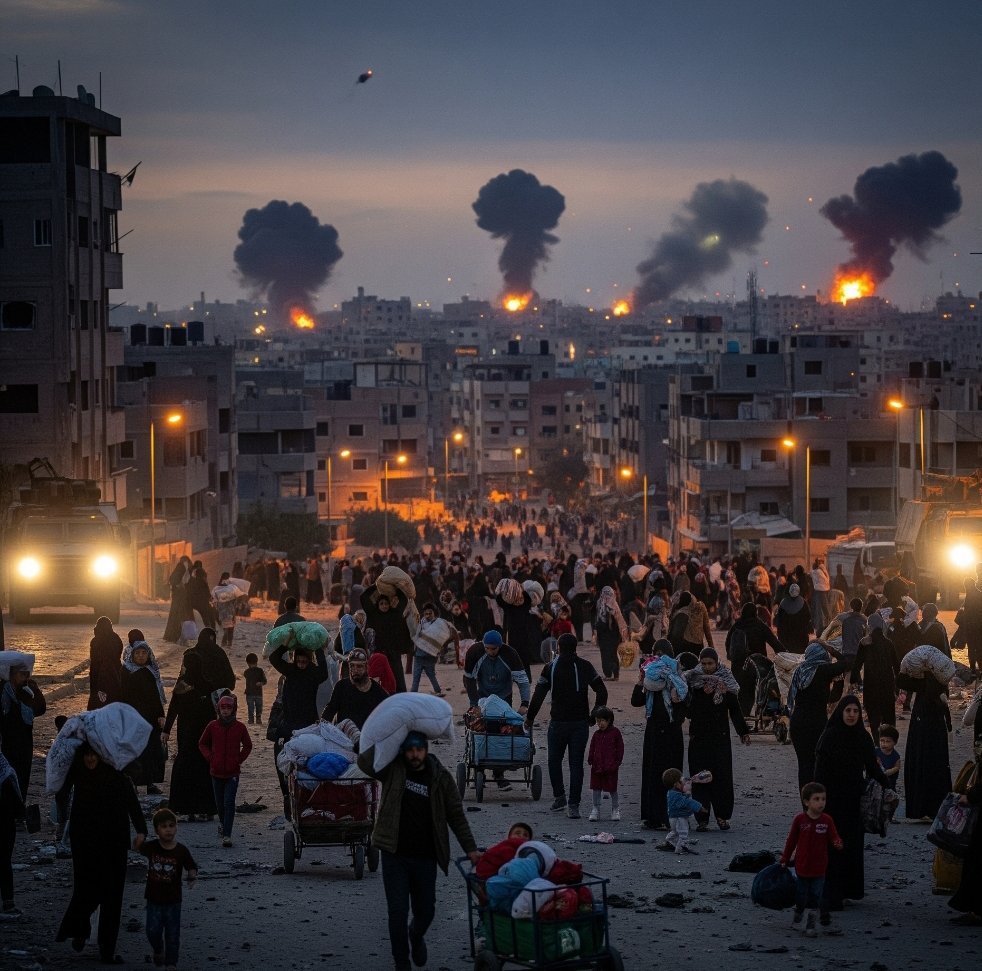
Vance’s predicament is playing out across the globe. Following a week of diplomatic clashes and military maneuvers, unprecedented airspace closures have effectively severed the primary aviation arteries of the Middle East. With skies over Iran, Iraq, and parts of the UAE restricted due to safety protocols following recent military strikes, mega-hubs like Dubai, Doha, and Abu Dhabi are experiencing severe operational chokeholds.
The Economics of Rerouting
Inside a soundproofed, glass-walled television studio in Manhattan, aviation analyst Elena Rostova prepares for a live broadcast. Rostova, 38, is impeccably poised. She has sharp, angular features, piercing green eyes framed by wire-rimmed glasses, and wears a structured navy-blue blazer over a white blouse. She sits with perfect posture at a sleek acrylic desk, her manicured fingers resting lightly on a stack of printed data reports.
As the camera’s red tally light blinks on, Rostova looks directly into the lens. Her voice is crisp, highly measured, and carries the undeniable authority of an industry veteran.
“What we are witnessing is a severe and structural disruption to global aviation,” Rostova explains smoothly, her hands articulating her points with precise, geometric movements. “Airlines are entirely recalculating their operational matrices. When you lose access to the Middle Eastern corridors, you are forced to detour through Central Asia or take southern routes over the Indian Ocean. This isn’t just a matter of time; it is a matter of basic physics and economics.”
She pauses, picking up a silver pen and tapping it lightly against her notes for emphasis. “These detours add between two to five hours to a flight. That requires exponentially more jet fuel, which is already experiencing price volatility. Furthermore, insurance premiums for aircraft flying anywhere near these conflict zones have skyrocketed. Consequently, we are seeing international flight fares surge by over forty percent week-on-week on key global corridors, particularly between Europe and Asia.”
Ripple Effects Across the Industry
The financial strain is not isolated to the airlines; it is sending tremors through global markets and the broader tourism sector. According to March 2026 data from industry monitors, over 5,000 flights have been canceled across the Gulf region in a matter of days. As capacity shrinks and demand remains inelastic for essential business and cargo transit, airline algorithms have automatically driven ticket prices to historic highs.
Back at JFK, Marcus Vance finally receives a notification chime from his phone. He stops pacing and lets out a long, heavy exhale, his shoulders dropping a fraction of an inch. He runs a hand over his short-cropped dark hair.
“Confirmed,” Vance mutters, his voice losing its aggressive edge, replaced by weary resignation. “Fourteen hours to Tokyo, an eight-hour layover, then onto Singapore. I’m paying a premium to fly halfway around the world just to avoid a closed sky.” He bends down and picks up his leather briefcase, the metal clasps clicking sharply in the noisy terminal. “It’s the cost of doing business today.”
For everyday consumers looking to plan their next vacation, the landscape of international travel has fundamentally shifted. Until geopolitical stability returns to these critical aviation corridors, passengers should expect to pay significantly more for longer, more arduous journeys.