Trump Warns Iran of “Very Hard” U.S. Military Response as Middle East War Intensifies
U.S. President Donald Trump has issued one of his strongest warnings yet to Iran, saying the country would be “hit very hard” if it continues retaliatory strikes amid the rapidly escalating conflict in the Middle East. The warning comes as tensions between Iran, the United States, and Israel continue to rise following a series of military operations targeting Iranian facilities and military infrastructure.
The situation has pushed the region into one of its most dangerous security crises in recent years, with missile launches, drone strikes, and military mobilizations reported across multiple countries. Analysts say the current phase of the conflict could determine whether the confrontation remains contained or evolves into a broader regional war.
Trump Signals Possible Expansion of Military Campaign
Speaking about the ongoing confrontation, Trump warned that Iran could face overwhelming military force if it continues its current course of retaliation. According to U.S. officials, Washington is already reviewing additional military options that could expand the scope of operations against Iranian targets.
American and Israeli forces have already conducted strikes against what officials describe as Iranian military facilities and strategic assets. The strikes were reportedly aimed at degrading Iran’s missile capabilities and reducing its ability to launch attacks against U.S. allies in the region.
Trump’s remarks signal that Washington is prepared to escalate further if Iran responds with additional attacks against U.S. or allied targets. Military planners are reportedly considering several scenarios, including expanded airstrikes and additional naval deployments.
Security analysts warn that such steps could significantly widen the conflict and increase the risk of retaliation across the region.
Missile and Drone Attacks Spread Across the Region
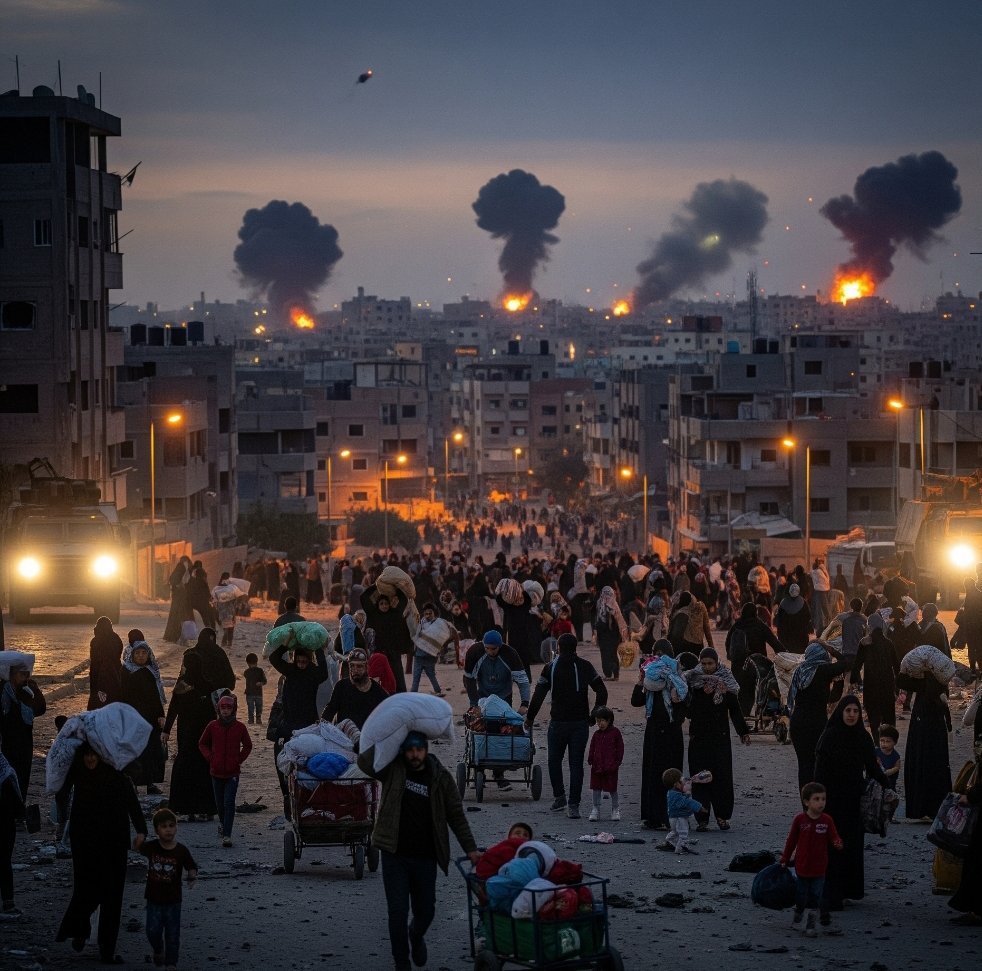
The conflict has already spread beyond direct clashes between military forces. In recent days, missile and drone attacks linked to the confrontation have affected several areas of the Middle East, raising concerns about regional security and civilian safety.
Some of these attacks have disrupted air travel and commercial infrastructure, highlighting how quickly military confrontations can affect daily life and economic stability.
One recent incident saw Iranian retaliation lead to major disruption at key Gulf aviation hubs. Read more: One killed and 11 injured as Iranian strikes disrupt Dubai and Abu Dhabi airports.
Defense experts say the use of long-range missiles and drones increases the risk of unintended escalation, as attacks can reach targets far beyond traditional battle zones.
Israel and the United States Coordinate Military Strategy
The United States and Israel have been closely coordinating their response to Iranian actions. Israeli officials say Iran’s military capabilities, including missile production and drone development programs, represent a major threat to regional stability.
Washington has reaffirmed its commitment to Israel’s security while also emphasizing that it seeks to deter further escalation. U.S. officials have stated that their goal is to prevent Iran from expanding attacks against American forces, allies, or international shipping routes.
Military cooperation between the United States and Israel has intensified as the crisis unfolds, including intelligence sharing and coordinated defense planning.
Global Powers Watch the Crisis Closely
Major world powers are closely monitoring developments as the conflict evolves. Russia, China, and European governments have all expressed concern about the possibility of a wider war.
Russia in particular has maintained close communication with Iran’s leadership during the crisis, highlighting the complex network of alliances and diplomatic relationships surrounding the conflict.
Related coverage: A Week of Diplomatic Clashes and Military Maneuvers
Diplomats warn that if additional countries become directly involved, the conflict could evolve into one of the most significant geopolitical confrontations in decades.
Economic and Energy Implications
The conflict has also raised concerns about global energy markets and international trade. The Middle East remains one of the world’s most critical regions for oil production and shipping routes.
Any prolonged instability could disrupt energy supplies, raise fuel prices, and trigger wider economic consequences around the world.
Shipping routes in the Persian Gulf and nearby waterways are particularly sensitive to conflict. Even limited disruptions could affect global supply chains, including oil exports and commercial goods moving between Asia, Europe, and North America.
Risk of a Wider War
Experts say the biggest concern is that the conflict could spiral beyond its current participants. Proxy forces, regional militias, and allied governments could become involved if the confrontation intensifies.
Military analysts warn that miscalculations or accidental strikes could rapidly escalate tensions. In modern warfare, even limited attacks can trigger broader retaliatory responses.
As a result, diplomatic efforts are underway behind the scenes to prevent the situation from escalating further. Several countries are reportedly urging restraint and encouraging renewed negotiations.
Calls for Diplomacy Continue
Despite the escalating rhetoric, some international leaders are pushing for diplomatic solutions to avoid a full-scale war.
Global organizations and regional governments have called for renewed talks aimed at de-escalating tensions and preventing further military confrontation.
However, with both sides continuing military operations and issuing warnings, the path to negotiations remains uncertain.
The coming days may prove critical in determining whether the conflict stabilizes or continues to expand.
A Defining Moment for Regional Security
The Middle East has experienced many crises over the decades, but analysts say the current confrontation carries particularly high stakes. The involvement of major military powers and advanced weapons systems has dramatically increased the potential consequences of escalation.
For now, the world is watching closely as Washington, Tehran, and their allies navigate a volatile situation that could reshape the region’s security landscape.
More updates on this developing story can be found in our Breaking News section and in our global coverage under Middle East News.
Editorial transparency: Learn more about our newsroom standards in our Editorial Policy. For tips or corrections, please contact our team through Contact Us.