Global Oil Prices Surge as Iran War Escalates and Key Energy Routes Face Disruption
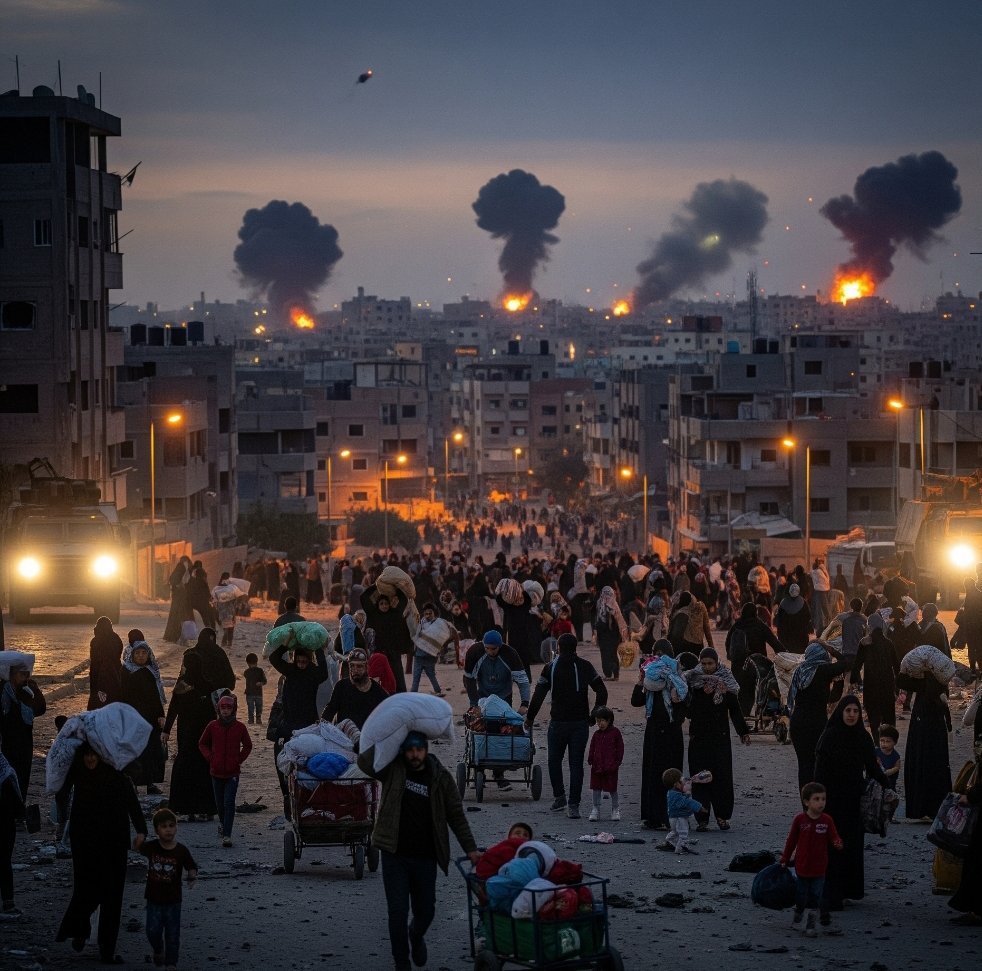
Global oil prices are climbing rapidly as the escalating conflict involving Iran, Israel, and the United States threatens some of the world’s most critical energy supply routes. Energy markets have reacted sharply to the growing instability in the Middle East, with analysts warning that prolonged disruptions could trigger a major global economic ripple effect.
Oil traders, governments, and financial markets are closely watching developments across the Persian Gulf, where military strikes, drone attacks, and shipping disruptions have raised fears that vital oil infrastructure and transport routes could be damaged or blocked.
Oil Markets React to the Expanding Conflict
Energy markets have been volatile since the conflict intensified. Global oil benchmarks have surged as investors worry about potential supply shortages caused by attacks on oil infrastructure and shipping routes. Brent crude and other major benchmarks have climbed significantly as traders factor in the possibility of reduced exports from major producers in the Gulf region.
According to energy market analysts, fears of a prolonged conflict have already caused oil prices to spike, with some forecasts warning that prices could rise toward $120 per barrel if disruptions continue for several weeks. :contentReference[oaicite:0]{index=0}
The Middle East remains the most important oil-producing region in the world, supplying a significant portion of global energy demand. When instability threatens production or transportation in the region, markets typically respond immediately with higher prices.
The Strait of Hormuz: A Critical Energy Chokepoint
One of the biggest concerns for energy markets is the safety of the Strait of Hormuz, a narrow waterway connecting the Persian Gulf to the Arabian Sea. Roughly 20 percent of the world’s oil supply passes through this strategic corridor each day, making it one of the most important shipping routes for global energy trade. :contentReference[oaicite:1]{index=1}
Recent military actions and threats in the region have disrupted tanker traffic and caused many shipping companies to delay or reroute vessels. Reports indicate that dozens of oil tankers have anchored outside the strait while companies assess security risks.
The slowdown in maritime traffic has intensified fears that the conflict could evolve into a broader energy crisis if the shipping lane becomes inaccessible for an extended period.
Shipping Disruptions and Rising Energy Costs
Insurance premiums for ships operating in the Persian Gulf have surged as the conflict escalates. Some maritime insurers have even suspended coverage for vessels entering the region due to the heightened risk of missile or drone attacks.
As a result, shipping costs for oil and natural gas cargo have risen sharply. Tanker companies are now charging higher rates to compensate for the increased danger, which ultimately raises the cost of transporting energy supplies worldwide.
These additional costs are expected to ripple through global markets, pushing up prices for gasoline, diesel, and other energy products in many countries.
Energy Infrastructure Also Under Threat
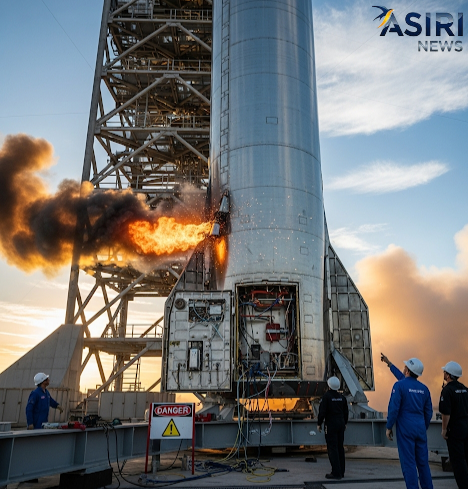
Beyond shipping lanes, oil production facilities across the Middle East are also facing security risks. Several recent incidents have targeted refineries and storage facilities in key oil-producing countries.
For example, a drone attack on Saudi Arabia’s Ras Tanura refinery—one of the largest oil processing facilities in the world—forced temporary operational changes and contributed to rising oil prices. :contentReference[oaicite:2]{index=2}
Even minor disruptions to such facilities can have a major impact on global supply because many refineries in the region process hundreds of thousands of barrels of crude oil every day.
Global Economic Concerns
Economists warn that sustained increases in oil prices could fuel inflation across the world. Energy costs influence the price of transportation, manufacturing, and food production, meaning higher oil prices often translate into broader increases in consumer prices.
Many countries are still recovering from recent economic shocks, and another spike in energy costs could complicate efforts by central banks to stabilize inflation and economic growth.
Higher fuel prices could also affect airlines, shipping companies, and logistics firms, which rely heavily on oil-based fuels for their operations.
Impact on Major Oil Importers
Countries that rely heavily on imported energy—particularly in Asia and Europe—are among the most vulnerable to rising oil prices. Large economies such as China, India, Japan, and South Korea import massive volumes of oil from Middle Eastern producers.
If supplies from the region are disrupted, these nations may need to seek alternative sources or release emergency reserves to stabilize domestic markets.
European countries are also closely monitoring the situation because disruptions to Middle Eastern oil shipments could further strain global energy markets already affected by geopolitical tensions in recent years.
Possible Benefits for Some Producers
While higher oil prices pose challenges for many economies, some oil-producing nations could benefit from increased revenues. Countries with large oil exports may see a surge in income as global prices rise.
For example, analysts say major producers outside the conflict zone—including the United States and Russia—could gain market share if Middle Eastern exports decline due to security risks.
However, experts caution that any benefits could be temporary if the conflict triggers wider economic instability.
Historical Lessons from Past Oil Crises
The current situation has drawn comparisons with previous energy crises triggered by conflicts in the Middle East. In the late 1970s, the Iranian Revolution caused a sharp drop in oil production and triggered a global energy crisis that doubled oil prices and contributed to economic recession in many countries. :contentReference[oaicite:3]{index=3}
History shows that even relatively small disruptions in oil supply can lead to dramatic price increases because global demand for energy remains extremely high.
How Long Could the Price Surge Last?
Much will depend on how long the conflict continues and whether shipping lanes remain open. If military tensions escalate further, analysts say energy markets could remain volatile for weeks or even months.
On the other hand, diplomatic breakthroughs or ceasefire agreements could quickly stabilize prices by restoring confidence in energy supply routes.
For now, however, markets remain on edge as governments and energy companies monitor the rapidly evolving situation.
Global Markets Watching Closely
The sharp rise in oil prices highlights how geopolitical conflicts can quickly reshape global economic conditions. Energy markets are often the first to react when tensions threaten major production areas or shipping corridors.
As the conflict continues to unfold, governments, financial institutions, and energy companies around the world are preparing for the possibility that the crisis could reshape global energy supply chains in the months ahead.
For more analysis on geopolitical tensions and global security developments, see our coverage: A Week of Diplomatic Clashes and Military Maneuvers .
You can also read how the conflict has already disrupted regional aviation and travel: One Killed, 11 Injured as Iranian Strikes Disrupt Dubai and Abu Dhabi Airports .
What do you think? Could rising oil prices push the global economy toward another energy crisis if the conflict continues?