Drone Attack Disrupts Dubai Airport, Triggering Major Aviation Chaos Across the Gulf
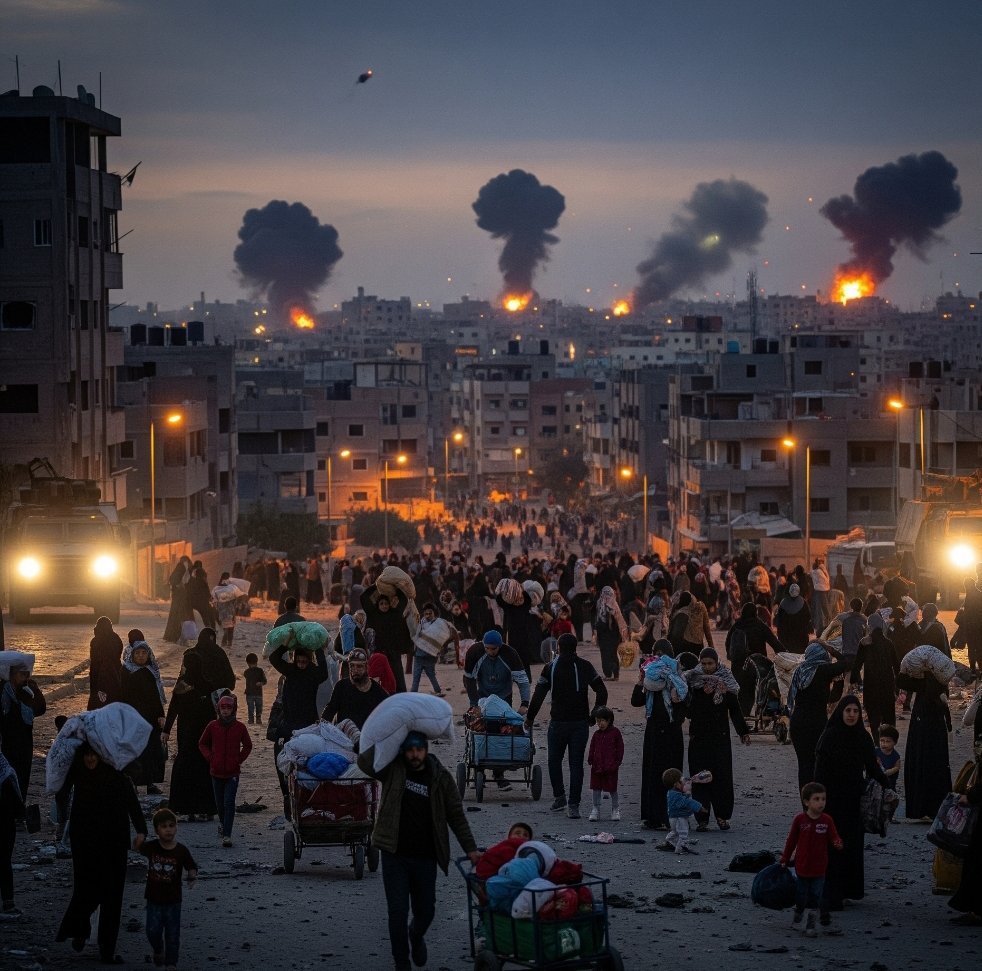
Dubai International Airport, one of the busiest aviation hubs in the world, was partially disrupted after a drone attack linked to the escalating regional conflict struck near airport infrastructure, damaging facilities and forcing authorities to temporarily suspend operations. The incident caused widespread travel disruption, grounding thousands of flights and stranding passengers as emergency crews responded to the attack.
Officials confirmed that several people were injured in the incident, though authorities have not reported large-scale casualties. Emergency responders rushed to secure the affected areas of the airport while aviation authorities immediately halted departures and diverted incoming flights as a precautionary measure.
The disruption represents one of the most significant aviation incidents in the region in recent years and highlights how the expanding conflict in the Middle East is increasingly affecting civilian infrastructure far from active battlefields.
Dubai International Airport serves as a major transit hub connecting Europe, Asia, Africa, and the Americas. Any disruption at the airport quickly creates ripple effects across the global aviation network, affecting airlines, cargo shipments, and international travel schedules.
Flights Grounded as Authorities Secure Airport
Following the drone strike, aviation authorities implemented emergency protocols to protect passengers and staff. Flights scheduled to depart from Dubai were temporarily grounded, while several incoming aircraft were redirected to nearby airports in Abu Dhabi, Doha, and Muscat.
Airport security teams, police units, and bomb disposal experts quickly secured the affected areas while investigators began examining debris believed to be from the drone used in the attack.
Passengers inside the airport described scenes of confusion as announcements informed travelers that flights would be delayed or canceled. Airline staff worked to rebook passengers while airport authorities assessed the damage.
The incident disrupted not only passenger flights but also air cargo operations. Dubai is a major global logistics hub, and temporary suspension of cargo flights can affect international supply chains, particularly shipments moving between Asia and Europe.
Impact on Global Aviation
Dubai International Airport is consistently ranked among the world’s busiest airports for international passengers. Millions of travelers pass through the facility every month, making it a crucial hub for airlines operating long-haul routes.
When flights are disrupted at such a major hub, the effects spread rapidly across the global aviation system. Aircraft scheduled to connect through Dubai may be delayed for hours or even days, creating cascading disruptions at airports around the world.
Airlines operating through the region were forced to quickly adjust flight schedules while aviation authorities coordinated safe rerouting of air traffic.
Travel experts warn that disruptions at key hubs like Dubai can lead to:
- Delayed international flights across multiple continents
- Airline crew scheduling complications
- Disrupted cargo shipments and supply chains
- Passenger congestion at alternative transit airports
Airlines have begun working with aviation authorities to gradually restore normal operations, though delays are expected to continue until full security inspections are completed.
Security Concerns Rise Across Gulf Aviation Network
The drone strike has raised new security concerns across the Gulf region’s aviation network. Several countries have increased airport security measures while reviewing air defense protocols designed to protect civilian infrastructure.
Airports across the region have historically been considered secure due to strong defense systems and strict aviation regulations. However, recent developments show that modern drone technology can present new risks to airports and critical infrastructure.
Security experts say drones are particularly challenging to defend against because they can be launched from relatively short distances and may be difficult to detect using traditional radar systems.
Many airports have begun investing in specialized counter-drone technology designed to detect, track, and disable unmanned aerial vehicles before they reach sensitive locations.
Growing Regional Conflict Raises Global Concerns
The drone attack comes amid rising tensions across the Middle East as military exchanges between regional powers intensify. Analysts warn that the conflict is beginning to spill beyond military targets and is increasingly affecting civilian infrastructure.
Airports, shipping lanes, and energy facilities are considered particularly sensitive because disruptions to these systems can quickly impact the global economy.
The Gulf region sits at the crossroads of global transportation and energy supply routes, meaning instability there can influence oil prices, international trade, and travel.
Recent incidents have already demonstrated how the conflict can reach major transportation hubs.
Related coverage: One killed and 11 injured as Iranian strikes disrupt Dubai and Abu Dhabi airports
Experts say attacks affecting civilian infrastructure could increase pressure on global leaders to find diplomatic solutions to the growing crisis.
Authorities Launch Investigation
Security agencies in the United Arab Emirates have launched a full investigation into the drone attack. Officials are analyzing recovered debris to determine the type of drone used and where it was launched from.
Investigators are also reviewing radar data and surveillance footage to reconstruct the sequence of events leading up to the incident.
Authorities have not yet confirmed which group or country was responsible for the strike, though officials say the attack appears connected to the wider regional conflict.
International aviation authorities and intelligence agencies are also assisting with the investigation, given the potential global implications of attacks targeting major airports.
Passengers Face Travel Disruptions
Thousands of travelers have been affected by the airport disruption, with many forced to delay travel plans or seek alternative routes. Airlines are advising passengers to check flight schedules before heading to the airport while restoration efforts continue.
Airport authorities have stated that passenger safety remains the highest priority and that operations will resume fully only after security teams confirm that all areas of the airport are safe.
Hotels near the airport quickly filled with stranded travelers as airlines worked to rebook flights and restore operations.
Strategic Importance of Dubai Airport
Dubai International Airport is one of the most important aviation hubs in the world. The airport serves as the primary base for Emirates Airline and connects hundreds of destinations across the globe.
The airport’s geographic location makes it an ideal transit point between Europe, Asia, and Africa, which is why disruptions there have a disproportionate impact on international travel.
Beyond passenger travel, Dubai also handles enormous volumes of cargo, including electronics, pharmaceuticals, and other high-value goods transported between continents.
Even short interruptions in operations can create global ripple effects in logistics networks.
Broader Geopolitical Implications
The attack highlights how the current regional crisis could expand beyond military confrontation and begin affecting global economic infrastructure. If airports, shipping lanes, or energy facilities become regular targets, the consequences could extend far beyond the region.
Governments around the world are closely monitoring developments as the conflict evolves, with many urging restraint and diplomatic engagement to prevent further escalation.
The coming days will likely determine whether the airport disruption remains an isolated incident or signals a wider pattern of attacks affecting civilian infrastructure.
For now, aviation authorities are focused on restoring safe operations while security agencies work to identify those responsible.
Follow more global developments in our Middle East coverage and the latest reports in Breaking News.
To learn more about how our newsroom verifies and reports global events, read our Editorial Policy. If you have information related to this story, you can reach our team through the Contact Page.