Middle East War Expands as Casualties Rise Across Iran, Lebanon and the Gulf
The war involving Iran and the United States–Israel alliance has entered a dangerous new phase as military operations expand across multiple countries in the Middle East. With airstrikes, missile attacks, and retaliatory operations intensifying, the human toll continues to rise while global leaders warn the conflict could escalate into a wider regional war.
Since the start of the conflict in late February 2026, thousands of strikes have been reported across the region. Military targets, infrastructure sites, and strategic facilities have been hit in Iran, while fighting linked to the conflict has spread to Lebanon and several Gulf states.
According to international reports, more than 1,300 people have been killed in Iran since the war began, with thousands more injured as U.S. and Israeli strikes continue targeting Iranian military and security installations. :contentReference[oaicite:1]{index=1}
Rising Death Toll Across the Region
The majority of casualties have occurred inside Iran, where extensive bombardments have hit a range of targets including military facilities and government infrastructure. Iranian officials told the United Nations that over 1,300 civilians have been killed during the conflict, accusing the U.S. and Israel of striking civilian areas and critical infrastructure.
In Lebanon, the conflict has also escalated significantly. Israeli airstrikes targeting Hezbollah-linked sites have killed nearly 300 people and wounded more than 1,000 others since the fighting expanded into the country. :contentReference[oaicite:2]{index=2}
Hezbollah, which is backed by Iran, has launched rocket attacks into northern Israel in response to Israeli strikes. The cross-border violence has forced tens of thousands of civilians to flee their homes in southern Lebanon and northern Israel as military operations intensify.
Despite the widespread destruction across the region, Israeli casualties have remained comparatively lower due to the country’s advanced missile defense systems, which have intercepted many incoming projectiles.
War Spreads Beyond Iran and Israel
What began as direct military action between Iran and the U.S.–Israel alliance has now spread into several neighboring countries. Analysts say the involvement of proxy groups and regional allies has significantly increased the geographic scope of the conflict.
Missile and drone strikes linked to Iran have been reported across several parts of the Middle East, including attacks targeting U.S. military facilities and strategic infrastructure. Meanwhile, Israeli forces have expanded operations against Hezbollah positions in Lebanon as part of their effort to weaken Iranian-backed groups in the region.
The widening battlefield has also affected the Gulf region, where several countries have activated air defense systems after missiles and drones were detected in their airspace.
You can read more about how the conflict is already disrupting global travel and regional security here: One Killed, 11 Injured as Iranian Strikes Disrupt Dubai and Abu Dhabi Airports .
Humanitarian Concerns Growing
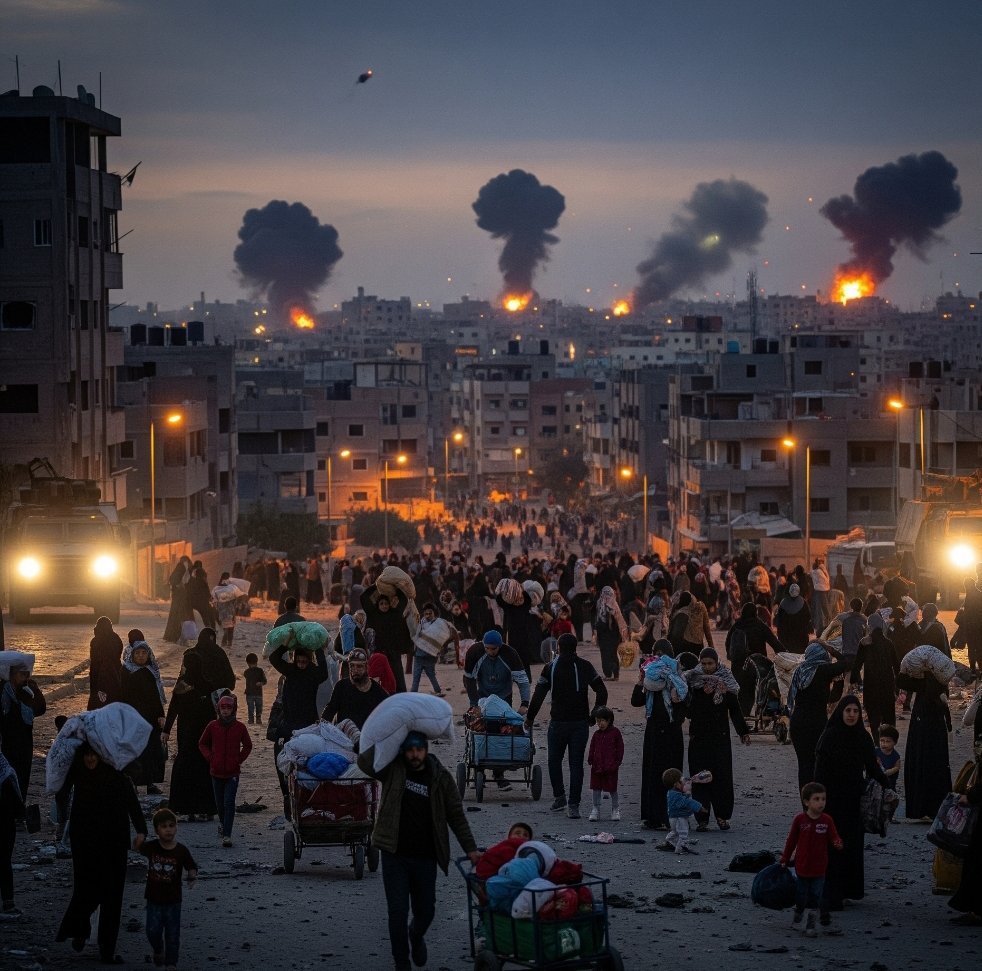
The expanding war has triggered a humanitarian crisis in several areas of the Middle East. Hospitals in parts of Iran and Lebanon are reportedly overwhelmed with casualties, while humanitarian organizations warn that continued bombing could lead to widespread displacement.
Thousands of civilians have already fled their homes in areas affected by airstrikes, particularly in southern Lebanon and near strategic sites in Iran. International aid agencies have expressed concern about the safety of civilians and the ability of health systems to cope with the increasing number of injured people.
Global health officials have also warned that attacks on infrastructure—including electricity, transportation, and medical facilities—could further worsen the humanitarian situation if the conflict continues.
Global Powers Warn of Wider War
As the conflict spreads across the region, governments around the world are urging restraint to prevent a broader international crisis. Diplomats warn that any miscalculation could pull additional countries into the war.
Several global powers have called for immediate de-escalation and renewed diplomatic negotiations. However, military leaders involved in the conflict have signaled that operations may continue for weeks as both sides attempt to weaken the other’s strategic capabilities.
Analysts say the biggest risk is that the conflict could expand further through regional alliances. Iran maintains close ties with armed groups across the Middle East, while the United States and Israel maintain strong security partnerships with several regional governments.
If those alliances become directly involved in combat operations, the war could evolve into one of the largest regional conflicts in decades.
Global Markets and Security Impact
The war is already sending shockwaves through global markets and security planning worldwide. Energy prices have fluctuated as investors worry about potential disruptions to oil supply routes in the Middle East.
International airlines have also adjusted flight paths and cancelled certain routes due to missile threats and airspace closures across parts of the region.
Military analysts say strategic waterways such as the Strait of Hormuz remain a major concern, as any disruption there could affect global energy supplies.
For broader geopolitical context on the conflict and international reactions, read: A Week of Diplomatic Clashes and Military Maneuvers .
What Happens Next?
With military strikes continuing and casualties mounting, the coming days may determine whether the conflict remains limited to the current battlefield or spreads further across the Middle East.
Diplomatic channels remain open, but tensions between Iran, the United States, and Israel remain extremely high. If additional countries become directly involved, the conflict could reshape the geopolitical landscape of the region.
For now, the situation remains fluid as governments, military leaders, and international organizations closely monitor developments.
What do you think? Could this conflict turn into a full regional war, or will international diplomacy succeed in preventing further escalation?