IMF Warns Global Economy at Risk as War and Oil Prices Threaten 2026 Growth Outlook
The global economy is facing mounting uncertainty after the International Monetary Fund (IMF) issued a fresh warning about slowing growth in 2026. The organization has downgraded its global economic outlook, citing rising oil prices, escalating geopolitical tensions, and disruptions caused by the ongoing Middle East conflict.
According to the IMF, the combination of war-related instability and energy market shocks is placing significant pressure on economies worldwide, raising fears that a broader economic downturn—or even a global recession—could emerge if conditions worsen.
IMF Cuts Global Growth Forecast
In its latest economic assessment, the IMF lowered its projections for global growth in 2026, warning that the pace of recovery seen in previous years is now under threat. The downgrade reflects growing concerns that geopolitical tensions are beginning to impact investment, trade, and financial stability.
Economists at the IMF noted that uncertainty remains one of the biggest risks to global growth. Businesses are becoming more cautious, delaying investments and expansion plans due to concerns about instability in key regions.
The warning highlights how interconnected the global economy has become, with conflicts in one region quickly affecting markets, supply chains, and consumer confidence worldwide.
Oil Prices Surge Amid Conflict
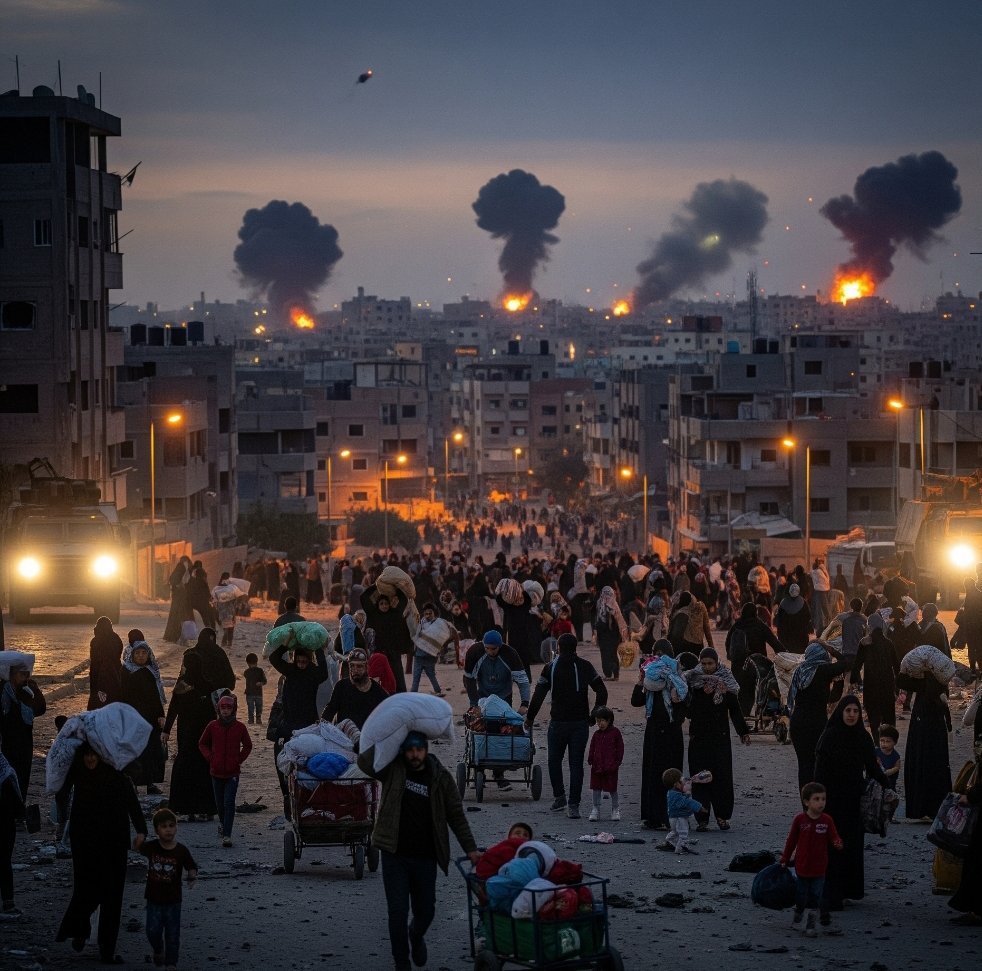
One of the most immediate economic impacts of the Middle East war has been a sharp increase in oil prices. The region plays a critical role in global energy supply, and any disruption—especially around major shipping routes—can trigger significant market reactions.
The ongoing tensions, including the U.S. naval blockade and threats to key waterways, have pushed oil prices higher, increasing costs for businesses and consumers alike. Higher fuel prices are already contributing to inflation in many countries, making it more expensive to transport goods and produce essential items.
For more on how the conflict is affecting global trade and transportation, read: One Killed, 11 Injured as Iranian Strikes Disrupt Dubai and Abu Dhabi Airports .
Markets React to Rising Uncertainty
Financial markets have shown increased volatility in response to the IMF’s warning and the ongoing geopolitical crisis. Investors are shifting toward safer assets, while stock markets in several regions have experienced fluctuations due to uncertainty about future economic conditions.
Currency markets have also reacted, with some emerging economies facing pressure as investors move capital toward more stable markets. Analysts say these trends could intensify if the conflict continues or expands further.
Global supply chains, which had only recently begun stabilizing after previous disruptions, are once again at risk. Shipping delays, higher insurance costs, and restricted routes are all contributing to economic strain.
Risk of a Global Recession
The IMF has warned that if current conditions persist, the global economy could face a serious downturn. A prolonged conflict, combined with rising energy prices and weakened investor confidence, could push multiple economies into recession.
Experts say the risk is particularly high for countries that rely heavily on imported energy or have fragile economic systems. Developing economies may be hit hardest, as they often have fewer resources to manage rising costs and economic shocks.
Inflation remains another major concern. As prices rise, central banks may be forced to keep interest rates higher for longer, which could further slow economic growth and reduce consumer spending.
Geopolitical Tensions Driving Economic Pressure
The IMF’s warning comes at a time when geopolitical tensions are reshaping global economic dynamics. The conflict involving Iran, the United States, and Israel has already had ripple effects across multiple regions, influencing trade routes, energy markets, and diplomatic relations.
Ongoing clashes between Israel and Hezbollah, along with broader instability in the Middle East, have added to the uncertainty. Analysts say that continued escalation could further disrupt economic activity and deepen global financial stress.
For a broader look at how the conflict is evolving, read: A Week of Diplomatic Clashes and Military Maneuvers .
What Can Be Done?
Economists say that avoiding a global recession will depend largely on how quickly geopolitical tensions can be reduced. Diplomatic efforts aimed at resolving conflicts and stabilizing energy markets will play a key role in shaping the economic outlook.
Governments may also need to implement policies to support businesses and households, including measures to control inflation and maintain economic stability. Central banks will continue to monitor conditions closely and adjust interest rates as needed.
International cooperation will be critical, as the challenges facing the global economy are interconnected and cannot be addressed by individual countries alone.
What Happens Next?
The coming months will be crucial in determining the direction of the global economy. If tensions ease and markets stabilize, growth could recover gradually. However, if the conflict intensifies or spreads, the risk of a deeper economic downturn will increase.
For now, the IMF’s warning serves as a clear signal that the global economy is entering a period of heightened risk and uncertainty.
What do you think? Will the global economy recover quickly, or are we heading toward another major recession?