Oil Prices Surge Above $100 as Strait of Hormuz Crisis Sparks Global Supply Fears
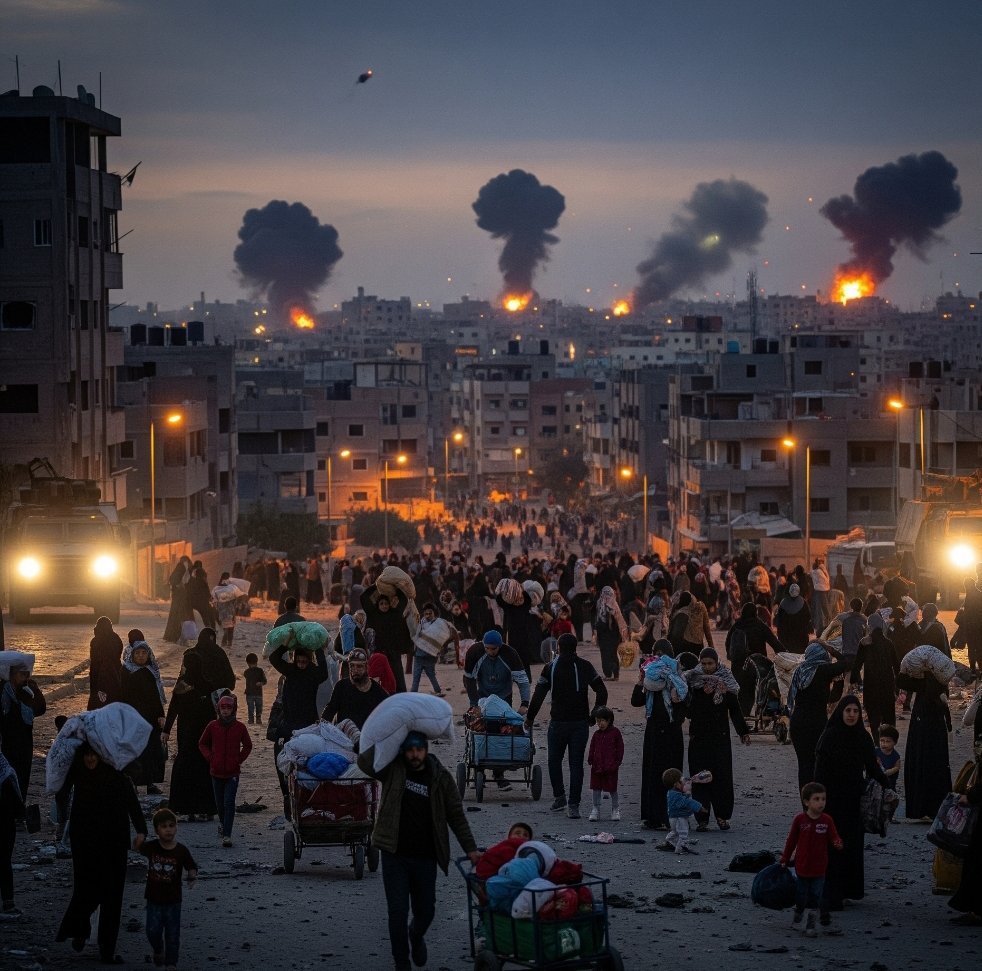
Global oil markets have been thrown into turmoil as prices surged above $100 per barrel following escalating tensions in the Middle East. The spike comes amid growing fears of supply disruption linked to the ongoing conflict and the United States’ naval blockade on Iran.
The Strait of Hormuz—one of the world’s most critical energy chokepoints—has become the center of the crisis. Nearly 20% of global oil supply passes through the narrow waterway, meaning any disruption immediately sends shockwaves through global markets.
Recent reports confirm that oil prices briefly climbed above $100 per barrel after the U.S. announced the blockade, with markets reacting sharply to the risk of restricted shipping and potential retaliation. :contentReference[oaicite:0]{index=0}
Blockade Triggers Immediate Market Reaction
The U.S. naval blockade on Iran has significantly increased uncertainty in energy markets. The operation, aimed at restricting Iranian exports, has already forced ships to turn back and disrupted normal shipping flows in the region.
Within days of the blockade being enforced, multiple vessels were redirected, highlighting the immediate impact on global trade routes and oil transportation. :contentReference[oaicite:1]{index=1}
Energy analysts say the blockade represents one of the most serious threats to global oil supply in recent years. Even the perception of risk is enough to drive prices higher, as traders anticipate possible shortages.
The Strait of Hormuz remains especially vulnerable, as it serves as a key transit route for oil exports from major producers including Saudi Arabia, Iraq, and the United Arab Emirates.
Why the $100 Price Level Matters
The return of oil prices above $100 per barrel is a major economic milestone. This level is often seen as a tipping point where energy costs begin to significantly impact global inflation and economic growth.
Historically, sustained oil prices above $100 have been associated with economic slowdowns, increased production costs, and rising living expenses for consumers worldwide.
Analysts warn that if the conflict continues and supply disruptions worsen, prices could climb even higher. Some forecasts suggest oil could approach $120 or even $150 per barrel in a prolonged crisis scenario.
Strait of Hormuz: The World’s Most Critical Oil Route
The Strait of Hormuz plays a central role in global energy security. Roughly one-fifth of the world’s oil supply passes through the narrow passage each day, making it one of the most strategically important locations in the global economy.
Recent military activity and shipping restrictions have significantly reduced traffic through the strait, creating what experts describe as one of the largest supply disruptions in modern energy market history. :contentReference[oaicite:2]{index=2}
Any prolonged closure or restriction could have severe consequences, including supply shortages, rising fuel costs, and broader economic instability.
Global Inflation Pressures Intensify
The surge in oil prices is already contributing to rising inflation across multiple regions. Higher energy costs affect everything from transportation and manufacturing to food production and household expenses.
As fuel prices increase, businesses often pass those costs on to consumers, leading to higher prices for goods and services. This creates a ripple effect across the global economy.
Economists warn that renewed inflation could force central banks to keep interest rates high for longer, slowing economic growth and increasing borrowing costs.
Risk of a Global Supply Shock
Experts are increasingly warning of a potential global supply shock if the situation worsens. A supply shock occurs when sudden disruptions reduce the availability of key resources—in this case, oil—causing prices to rise sharply and unpredictably.
The current crisis already shows signs of becoming one of the most significant energy disruptions in decades. Analysts say the scale of the impact could rival past oil shocks that triggered global economic downturns.
There are also concerns that the conflict could expand to other key shipping routes, further restricting global energy flows and amplifying the crisis.
Economic Impact Spreading Worldwide
The effects of rising oil prices are not limited to energy markets. Stock markets, currencies, and global trade are all being affected as investors react to increasing uncertainty.
Countries that rely heavily on imported energy are particularly vulnerable, as higher oil prices increase costs and weaken economic stability.
For broader insight into how the conflict is impacting global markets and geopolitics, read: A Week of Diplomatic Clashes and Military Maneuvers .
You can also explore how the war is disrupting global travel and infrastructure: One Killed, 11 Injured as Iranian Strikes Disrupt Dubai and Abu Dhabi Airports .
What Happens Next?
The future of oil prices—and the global economy—will depend heavily on how the conflict develops in the coming days and weeks. If tensions ease and shipping routes stabilize, prices could fall back below current levels.
However, if the blockade continues or escalates into further military confrontation, markets could face prolonged volatility and even higher prices.
For now, the world is watching closely as one of the most important energy corridors on the planet remains under threat.
What do you think? Will oil prices continue rising, or will diplomacy bring stability back to global markets?