Global tensions are rising sharply as the Middle East conflict enters a more dangerous phase, following the United States’ decision to impose a naval blockade on Iran. The move comes amid intensifying clashes between Israel and Hezbollah and renewed diplomatic efforts to prevent the war from expanding further.
The blockade, which began in April 2026 after peace talks collapsed, targets vessels traveling to and from Iranian ports, particularly around the strategic Strait of Hormuz—one of the most important oil shipping routes in the world. :contentReference[oaicite:0]{index=0}
U.S. officials say the operation is aimed at restricting Iran’s ability to sustain its military operations, while Tehran has warned the move could provoke retaliation and further destabilize the region.
U.S. Blockade Signals Major Escalation
The naval blockade marks one of the most aggressive actions taken so far in the conflict. According to military officials, U.S. forces are intercepting or turning back ships attempting to access Iranian ports, with multiple vessels already diverted within the first days of enforcement.
The operation involves thousands of U.S. personnel, warships, and aircraft, making it a large-scale and potentially long-term military effort. Experts warn that such a blockade could trigger direct confrontation at sea, especially if Iranian forces attempt to challenge it.
The Strait of Hormuz, which handles roughly 20% of global oil shipments, is at the center of the crisis. Any disruption there could have serious consequences for global energy supply and economic stability.
Israel–Hezbollah Clashes Continue
At the same time, fighting between Israel and Hezbollah has intensified along the Lebanon-Israel border. Hezbollah has launched rockets into northern Israel, while Israeli forces have responded with airstrikes targeting positions in southern Lebanon and Beirut.
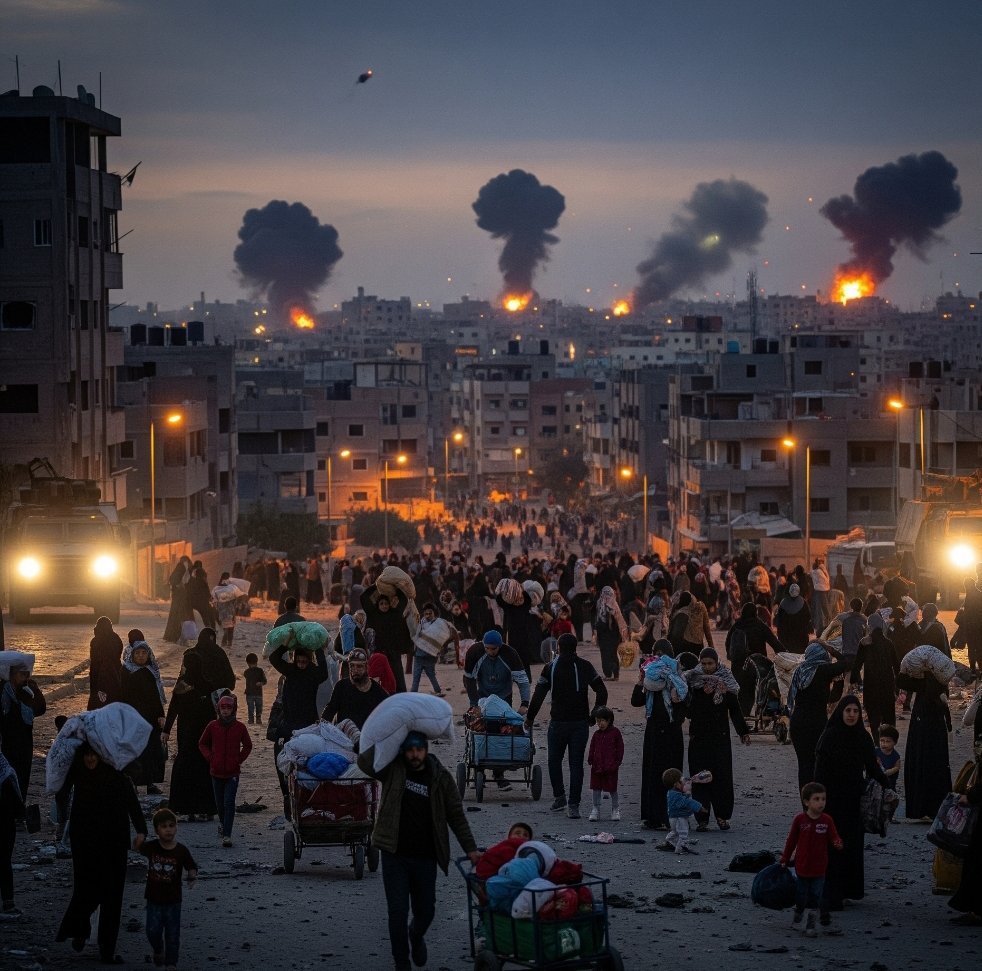
Recent reports indicate that the violence has resulted in significant casualties and widespread displacement, with entire communities forced to flee as bombardments continue.
The escalation in Lebanon is particularly concerning because it expands the conflict beyond Iran and Israel, increasing the likelihood of a broader regional war involving multiple actors.
For more context on how the conflict has evolved across different regions, read: A Week of Diplomatic Clashes and Military Maneuvers .
Diplomatic Efforts Resume Amid Crisis
Despite the growing military tensions, diplomatic efforts are continuing behind the scenes. Officials say new talks between the United States and Iran could resume within days, possibly in Pakistan, following the collapse of earlier negotiations. :contentReference[oaicite:3]{index=3}
The renewed push for dialogue reflects growing concern among global powers that the conflict could spiral out of control if no agreement is reached soon.
At the same time, separate talks between Israel and Lebanon are also underway in Washington, marking a rare diplomatic effort aimed at reducing hostilities between the two sides.
Global Economic and Security Impact
The conflict is already having significant effects on global markets and security. Oil prices have surged amid fears of supply disruptions, while shipping companies are reconsidering routes through the Middle East due to safety concerns.
Experts warn that continued instability in the Strait of Hormuz could trigger a global energy crisis, affecting fuel prices and economic growth worldwide.
International airlines have also adjusted flight paths, while governments have issued travel warnings for citizens in affected regions.
You can also read how the war is impacting global travel and infrastructure: One Killed, 11 Injured as Iranian Strikes Disrupt Dubai and Abu Dhabi Airports .
Risk of a Wider Regional War
Security analysts say the biggest concern is the risk of miscalculation. With multiple countries, armed groups, and military forces involved, even a small incident could trigger a broader conflict.
Iran has already warned that it could respond to the blockade by targeting regional assets, while U.S. and Israeli forces continue operations across multiple fronts.
The involvement of Hezbollah and other regional actors further increases the complexity of the conflict, making it harder to contain.
Global leaders, including those in Europe and Asia, are urging restraint and calling for immediate de-escalation to avoid a wider war that could reshape the geopolitical landscape.
What Happens Next?
The coming days will be critical in determining whether the conflict moves toward escalation or diplomacy. While military operations continue, the possibility of renewed talks offers a narrow window for de-escalation.
For now, the Middle East remains on edge, with rising tensions, growing casualties, and increasing global concern about what could come next.
What do you think? Will diplomacy succeed in stopping the conflict, or is the world heading toward a larger regional war?