NATO Air Defenses Intercept Iranian Missile Over Mediterranean as Conflict Edges Toward NATO Territory
A potentially dangerous escalation in the expanding Middle East conflict unfolded when NATO air defense systems intercepted and destroyed a ballistic missile launched from Iran that was heading toward Turkish airspace. Turkish officials confirmed that the missile was detected after traveling across Iraqi and Syrian airspace before being neutralized over the eastern Mediterranean Sea.
The interception marks one of the most serious moments yet in the ongoing confrontation involving Iran, Israel, and the United States, as it represents the first time a NATO member state has been directly threatened by a missile tied to the conflict. Security analysts say the incident highlights how quickly the war could expand beyond its current regional boundaries.
The Missile Interception
According to Turkey’s Defense Ministry, the missile was detected by NATO radar systems shortly after it was launched. The projectile was tracked as it passed through Iraqi and Syrian airspace before approaching Turkish territory. NATO air and missile defense assets stationed in the eastern Mediterranean successfully intercepted the missile before it entered Turkish airspace. :contentReference[oaicite:0]{index=0}
Officials said the interception occurred in time to prevent any threat to Turkish cities or military facilities. Debris from the interception reportedly fell near the Dörtyol district in Turkey’s southern Hatay province. Authorities confirmed that no casualties or injuries were reported following the incident. :contentReference[oaicite:1]{index=1}
Turkey’s government emphasized that it maintains full capability to defend its territory and airspace, adding that it will take all necessary measures if similar threats occur in the future.
Why the Incident Matters
The interception is significant because Turkey is a member of the North Atlantic Treaty Organization (NATO), meaning that any attack on its territory could potentially trigger consultations among alliance members under NATO’s collective defense framework.
Although NATO’s mutual defense clause—Article 5—has not been invoked in this case, analysts say the incident still represents a dangerous signal that the conflict may be spreading beyond the Middle East battlefield.
A NATO spokesperson condemned Iran’s targeting of Turkish territory and reaffirmed that the alliance stands firmly with all its member states. :contentReference[oaicite:2]{index=2}
Experts warn that if future missiles were to strike NATO territory directly, the alliance could be forced to respond more aggressively, potentially transforming a regional war into a broader international conflict.
Turkey’s Role in the Conflict
Turkey has attempted to maintain a delicate diplomatic position throughout the conflict. The country shares borders with Iran, Iraq, and Syria and has historically acted as a mediator in several regional disputes.
Ankara previously attempted to facilitate dialogue between Iran and Western countries, but the rapidly intensifying military actions across the region have complicated those diplomatic efforts.
Following the missile interception, Turkish officials urged all sides involved in the conflict to avoid further escalation that could destabilize the wider region.
Turkey’s geographic position makes it a strategic hub for NATO operations in the Middle East, particularly because of the presence of key military installations such as Incirlik Air Base.
The Expanding Middle East Conflict
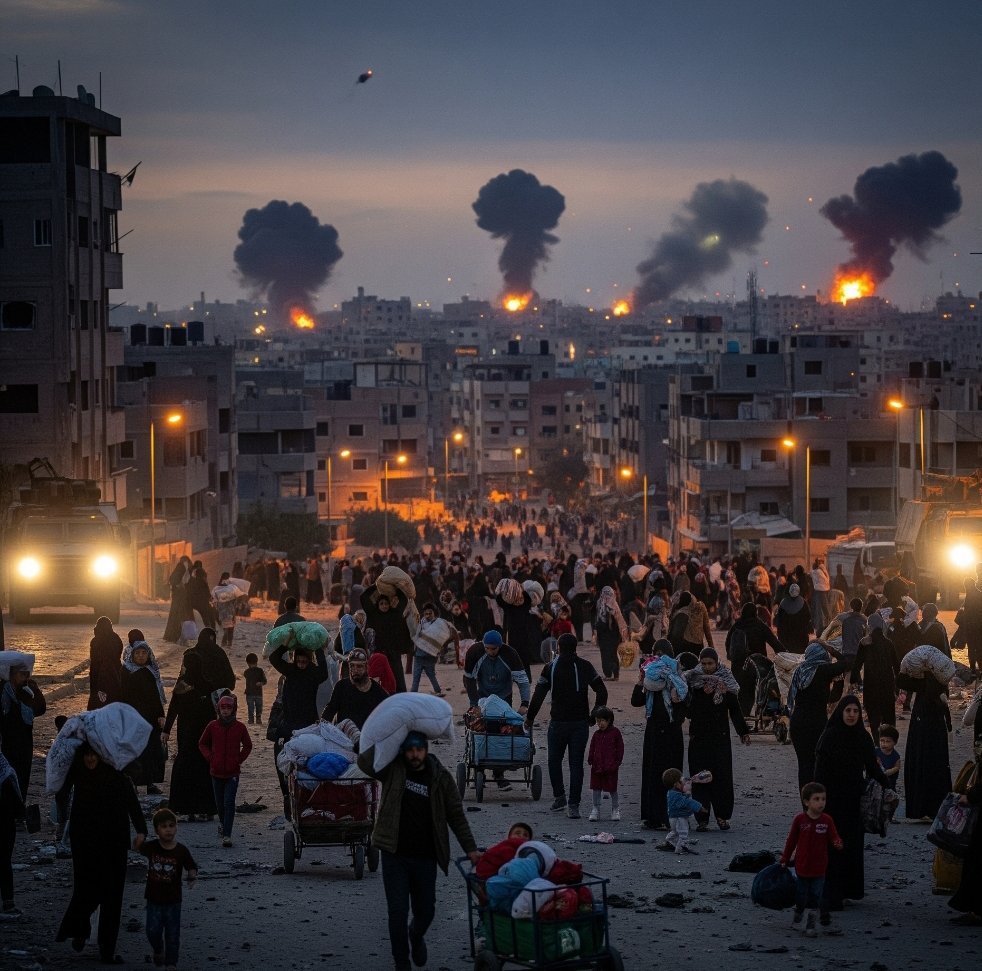
The missile incident comes amid a dramatic escalation in military confrontations between Iran, Israel, and the United States. Over the past several days, the conflict has spread beyond Iran and Israel to affect several countries across the Middle East.
Iran has launched missile and drone strikes targeting multiple locations across the region, including military facilities and infrastructure linked to U.S. and allied forces.
Some of those attacks have already reached Gulf states and other countries, demonstrating the widening geographical reach of the conflict.
For example, recent attacks in the United Arab Emirates involved hundreds of drones and ballistic missiles, many of which were intercepted by regional air defense systems. :contentReference[oaicite:3]{index=3}
You can read more about how the crisis is affecting global security in our report: A Week of Diplomatic Clashes and Military Maneuvers.
Growing Risk of NATO Involvement
Security analysts warn that incidents involving NATO territory significantly increase the risk of broader international involvement in the conflict.
Under NATO’s collective defense agreement, member states can request consultations if their security is threatened. While Turkey has not yet invoked these mechanisms, the alliance is closely monitoring the situation.
If the conflict continues to expand geographically, additional NATO countries could become directly involved, particularly if their territories, military bases, or personnel come under attack.
The possibility of escalation has already prompted several European nations to strengthen military deployments and air defense systems in the eastern Mediterranean region.
Regional Security on Edge
The Mediterranean and Middle East regions are now experiencing one of their most volatile security environments in decades. The involvement of multiple powerful nations has raised concerns among diplomats and military strategists about the possibility of miscalculation.
Even a single missile crossing into the territory of a NATO member could trigger a chain reaction of diplomatic or military responses.
In the current climate of heightened tensions, experts say preventing accidental escalation has become one of the most urgent priorities for global leaders.
The situation has also created ripple effects in global markets and international travel, as governments issue security warnings and adjust military postures across the region.
You can also read our report on how the conflict has already disrupted aviation and international travel: One Killed, 11 Injured as Iranian Strikes Disrupt Dubai and Abu Dhabi Airports .
What Happens Next?
Military analysts believe the coming days will be critical in determining whether the conflict remains limited to current battle zones or expands further into NATO territory.
Diplomatic efforts are underway across several international forums, with governments calling for restraint and urging all parties to avoid actions that could lead to a broader war.
At the same time, NATO has reaffirmed its readiness to defend member states if necessary, maintaining heightened surveillance and missile defense operations across the Mediterranean.
The interception of the Iranian missile over the Mediterranean serves as a stark reminder of how quickly the conflict can spread—and how close the world may be to a wider international confrontation.
What do you think? Could incidents like this eventually draw NATO directly into the Middle East war, or will diplomacy succeed in preventing a larger conflict?